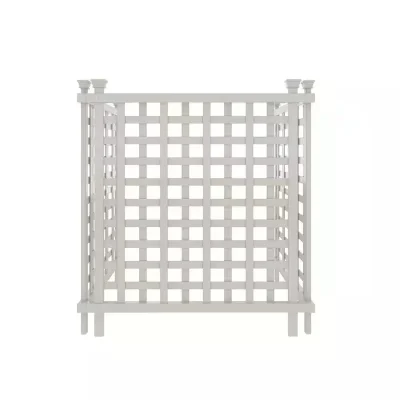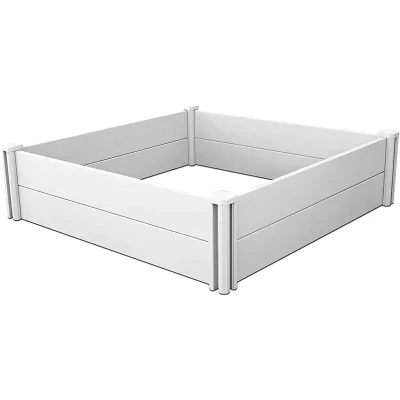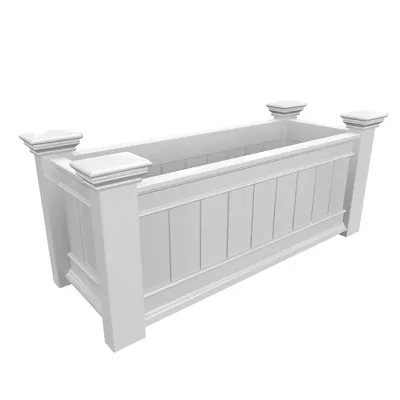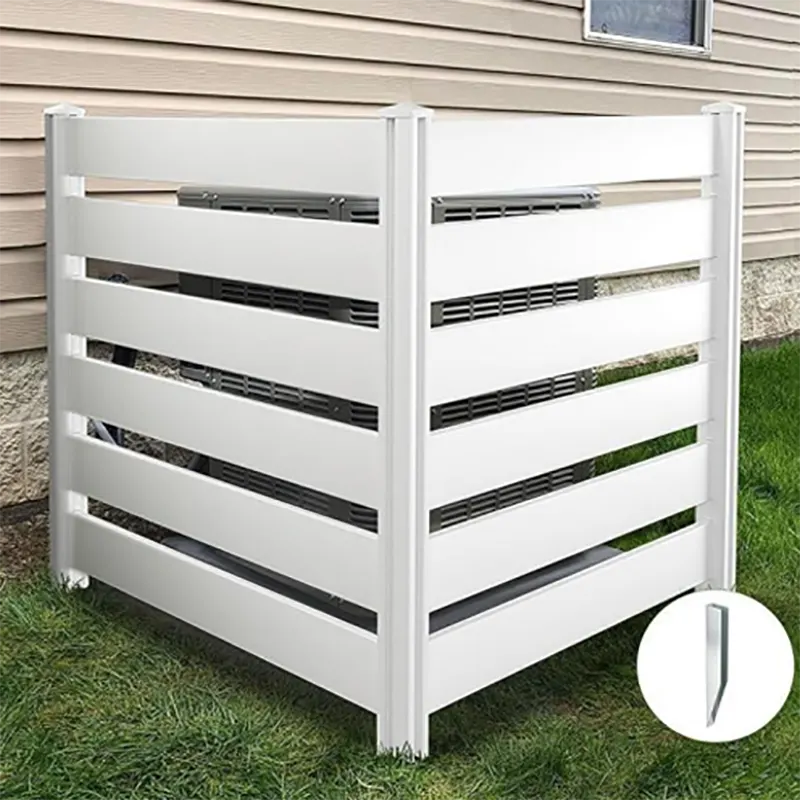
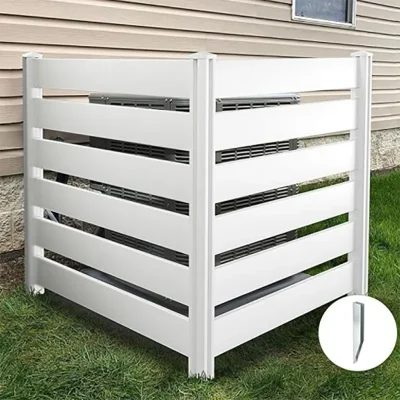
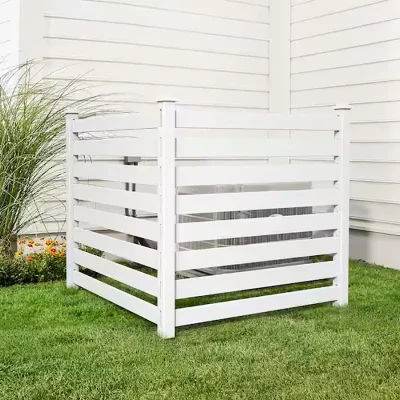
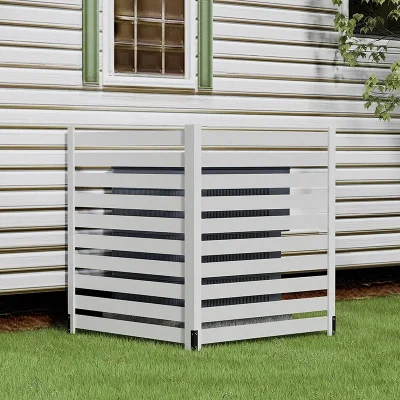
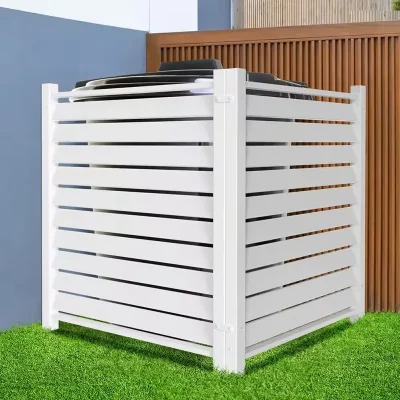
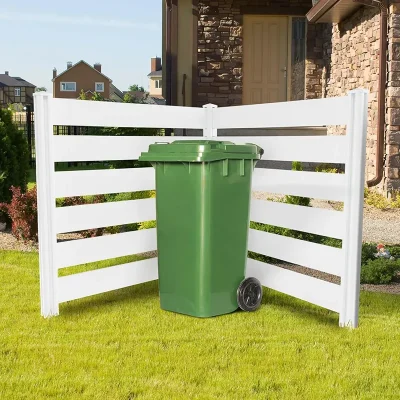

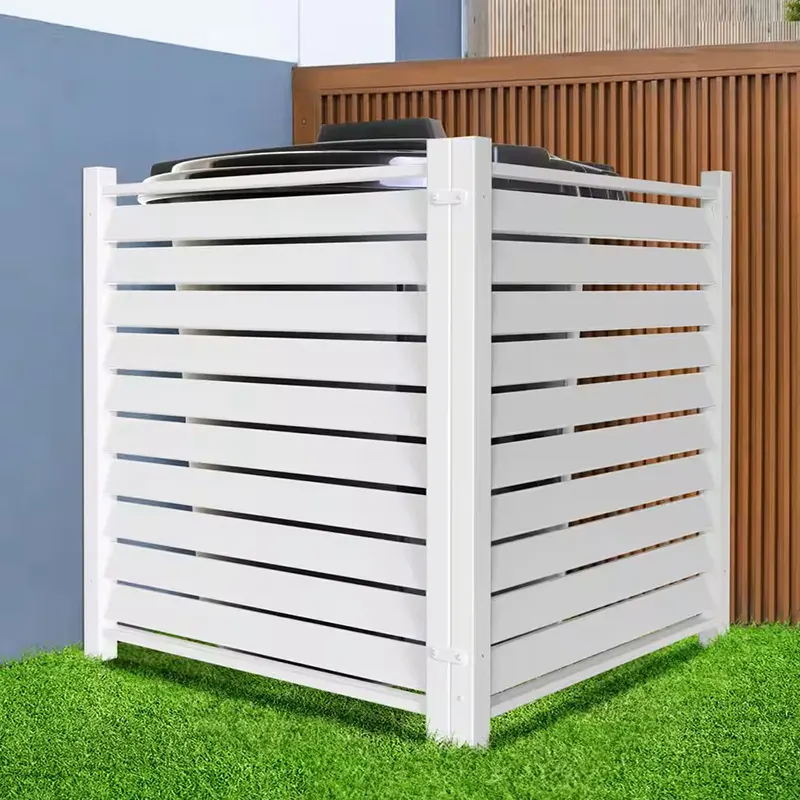
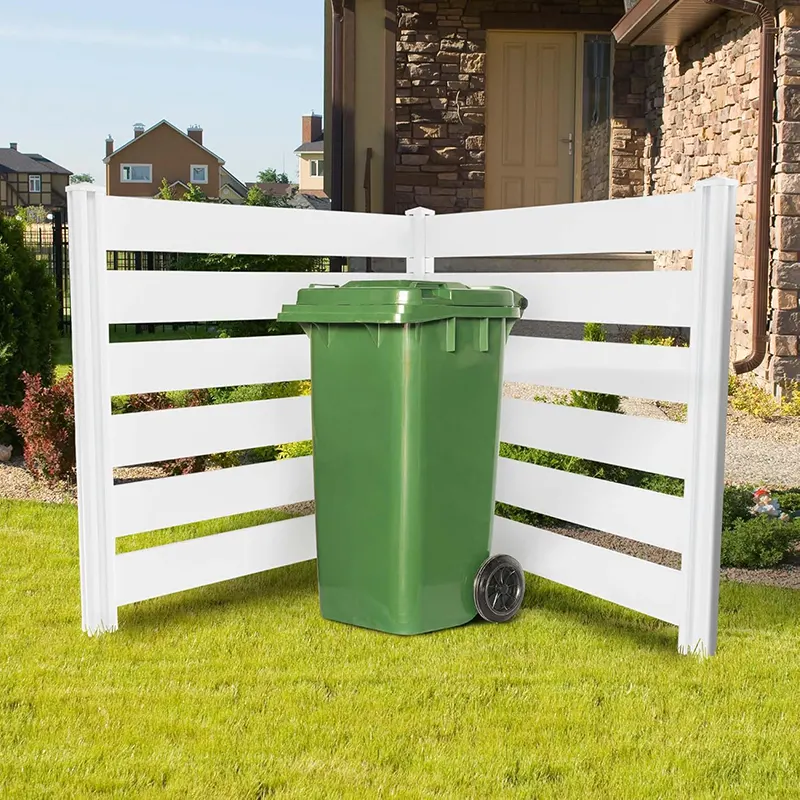
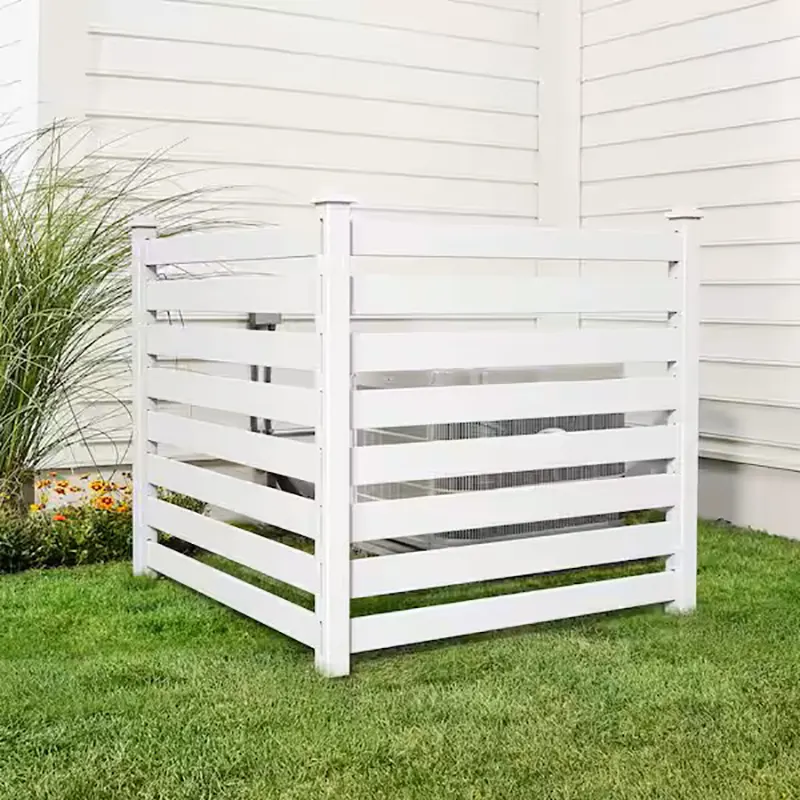
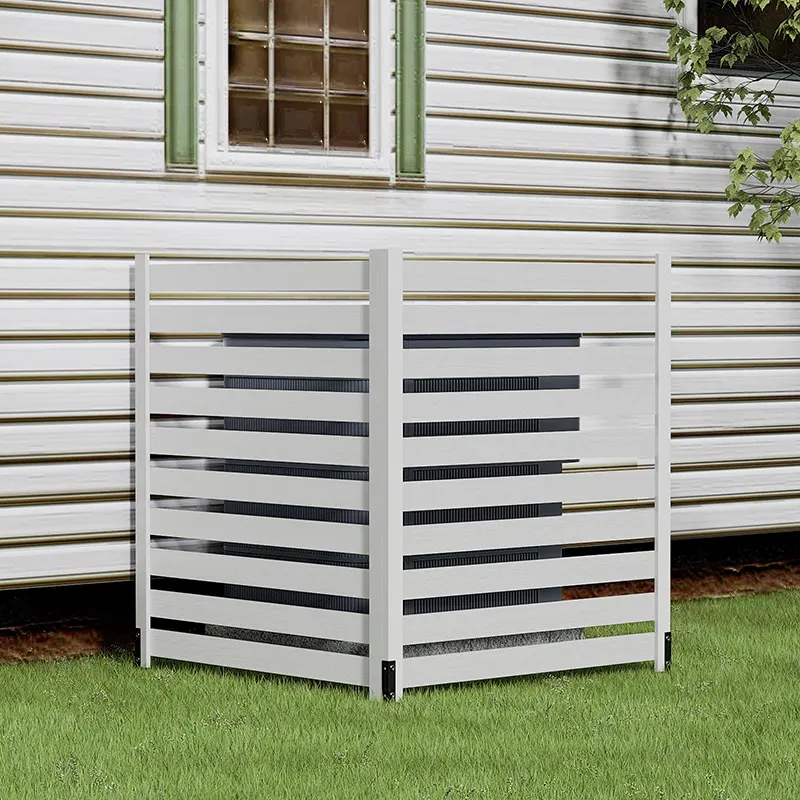
This durable and versatile semi-privacy fence, similar to our Outdoor Full Vinyl Privacy Screen product, is the ideal choice for creating a neat and attractive outdoor space. It cleverly conceals air conditioners, trash cans, or pool equipment, enhancing the overall aesthetics of your garden or patio.
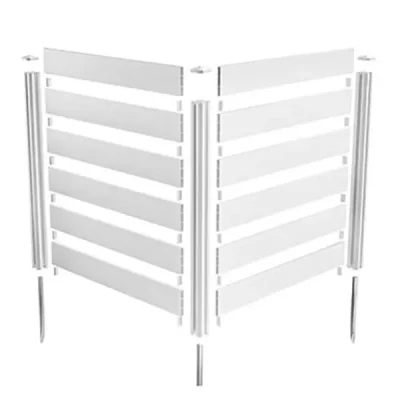
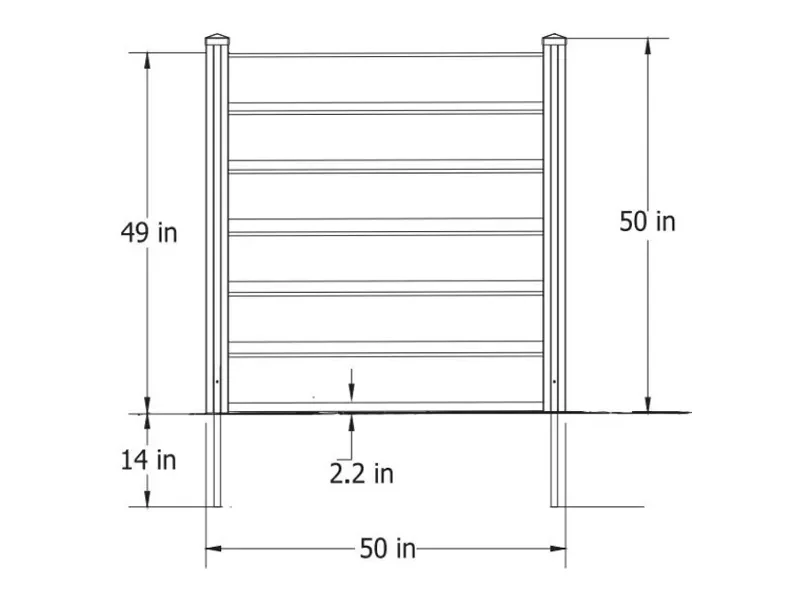
The Semi Enclosure Vinyl Privacy Screen includes two large panels measuring 50 inches wide x 50 inches high, providing ample coverage. The semi-open slat design ensures optimal airflow and heat dissipation, making it especially suitable for enclosing air conditioning units. You can flexibly configure it into an “L” shape or a straight line as needed, perfectly adapting to your garden layout.
Made from high-quality, weather-resistant vinyl (PVC) material, the fence resists warping, cracking, and fading without the need for painting or special maintenance. Reinforced metal stakes and screw connections provide superior stability and resistance to wind and impact, even in harsh weather conditions.
As a professional fence supplier, we own a large factory and offer not only standard-sized products but also customized sizes and colors to meet your specific needs.
 |
 |
 |
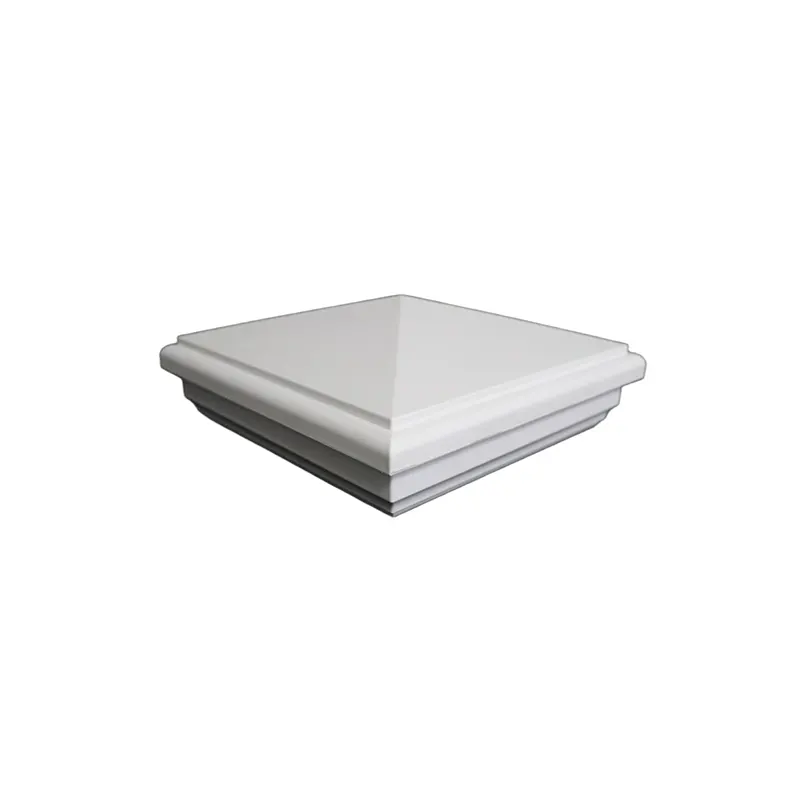 |
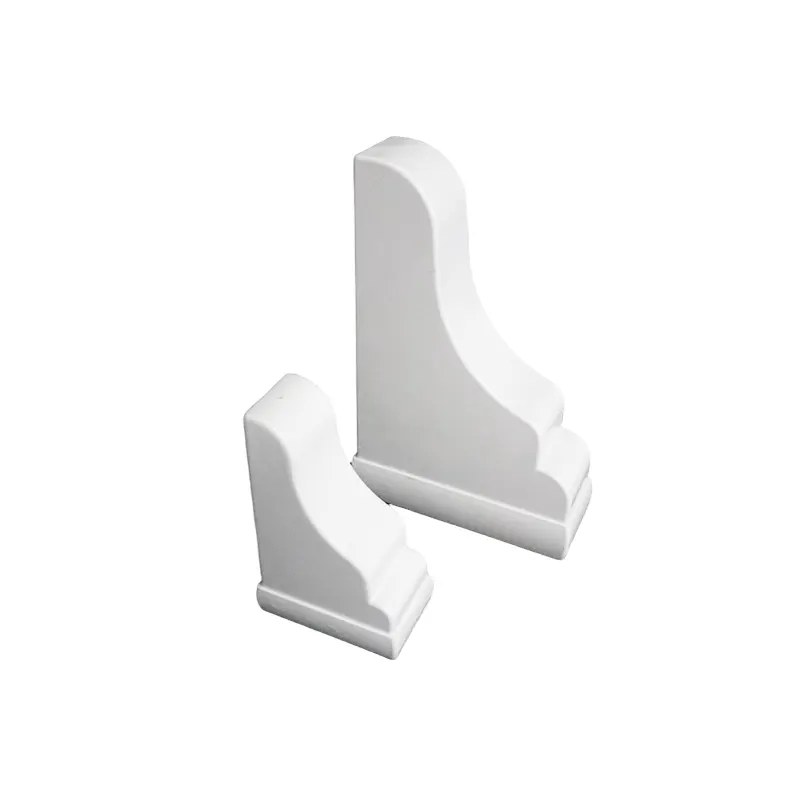
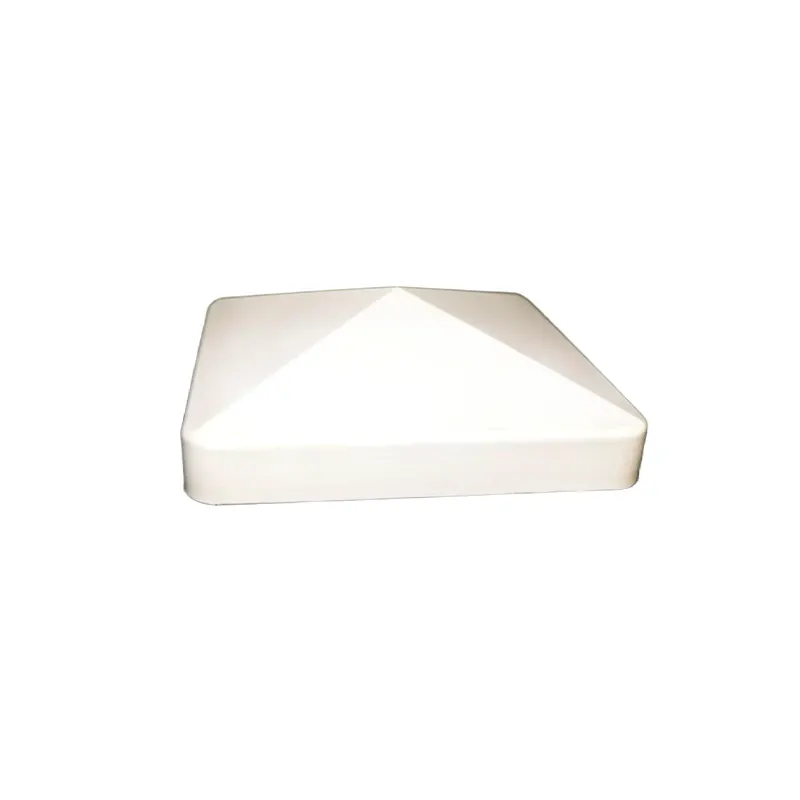
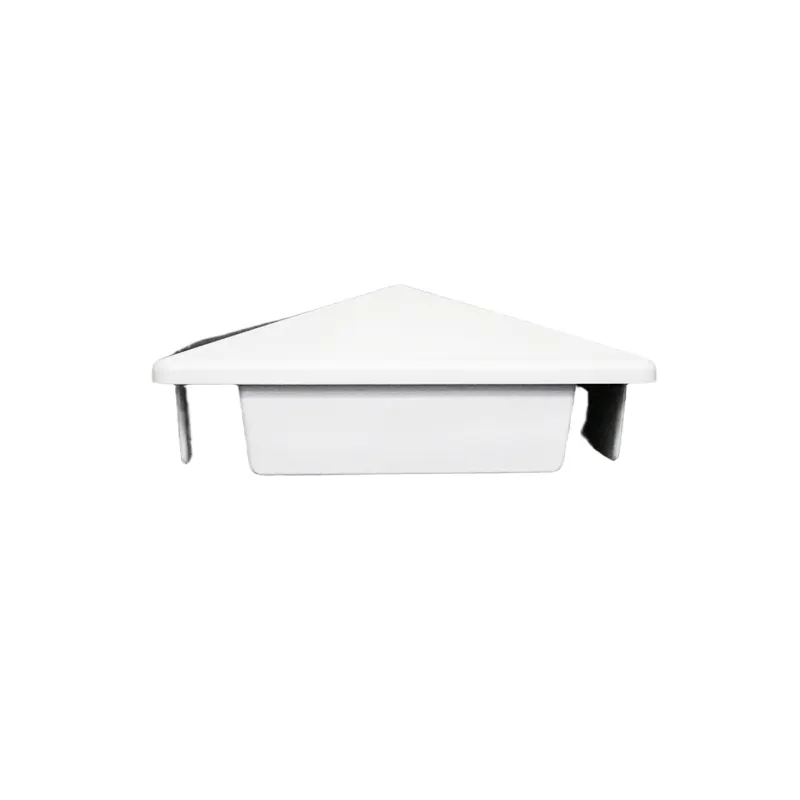
| Arbor Caps | External Flat Cap | Flat Cap | New England Cap |
 |
 |
 |
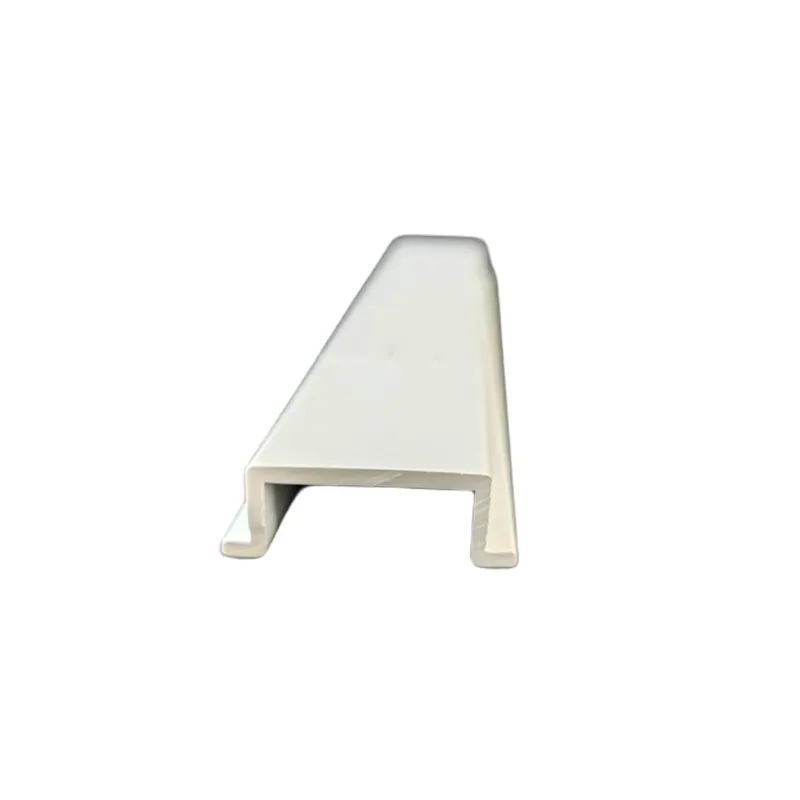 |
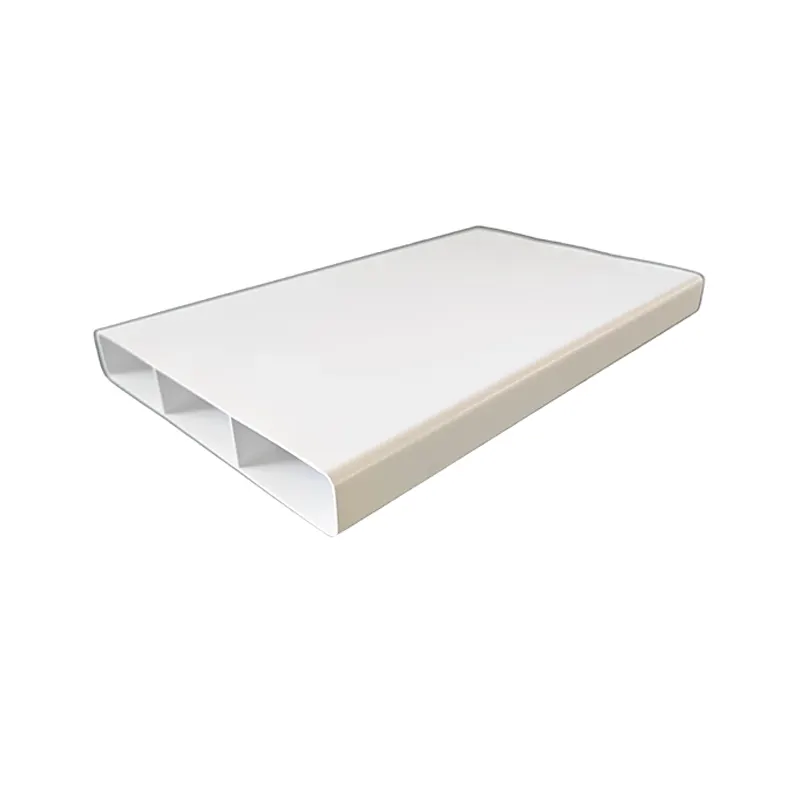
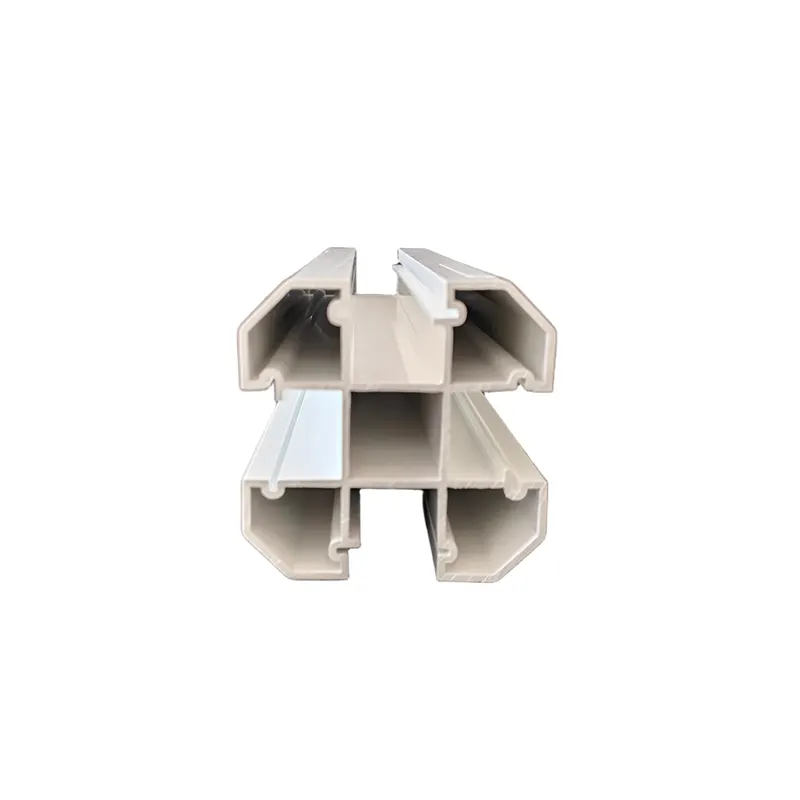
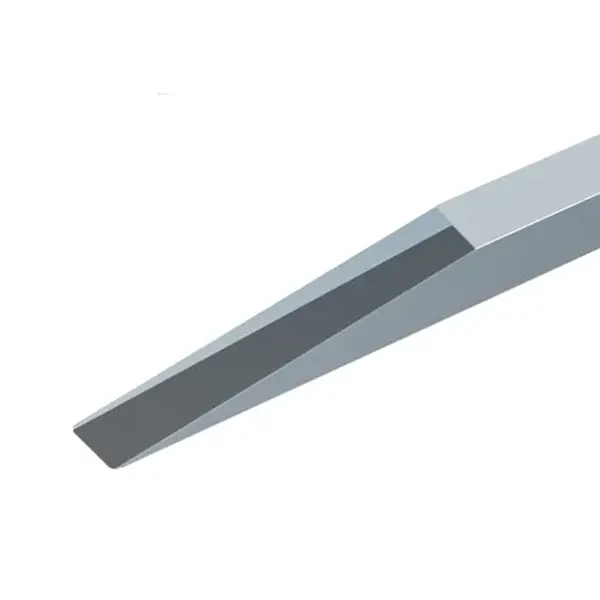
| Picket | Fence Post | Ground Stake | U-Channel for Post |
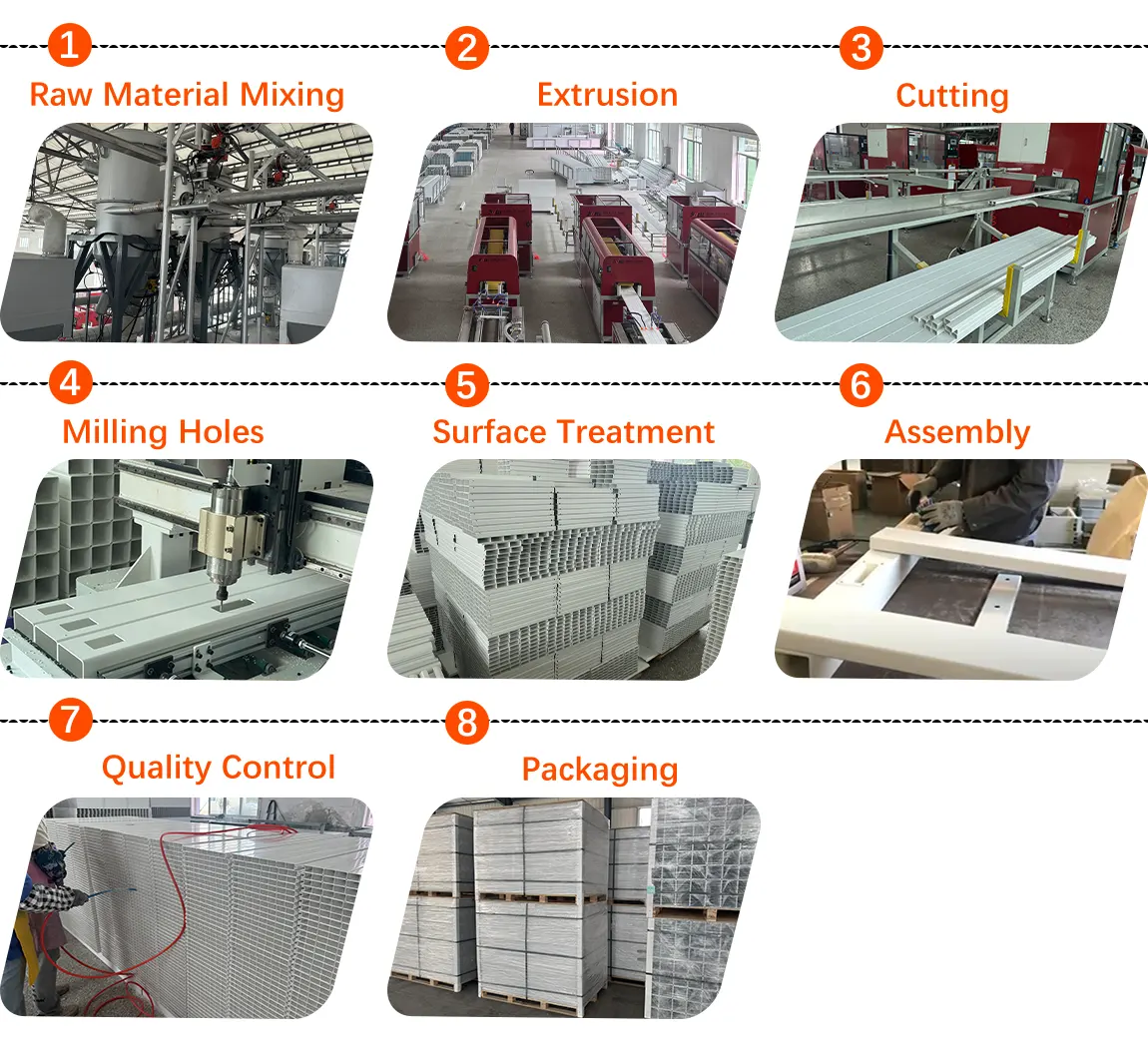
PVC resin and various additives are uniformly mixed in a high-efficiency mixer according to precise formula ratios. This process is crucial and directly affects the quality of the final product.
The mixed PVC granules or powder are fed into an extruder. Under heating and rotation, the molten PVC material is extruded through a die and immediately cooled. The cooled PVC profile is then pulled out at a constant speed by a traction machine, thus controlling the size and thickness of the profile.
Once the continuously extruded PVC profile reaches the set length, an automatic cutting machine automatically cuts the profile into the required fence components, such as posts, crossbars, and slats. The cut components undergo quality inspection to check for smooth cut surfaces, burrs, cracks, and other defects.
According to the drawings, milling equipment is used to pre-drill holes in the components to be connected, and necessary milling operations, such as milling grooves and edges, are performed. The position, diameter, and depth of the drilled holes must be strictly controlled according to the drawing requirements.
Clean all parts of the cut and milled PVC fence to remove dust, oil, debris, and other impurities. Cleaning can be done by water washing, solvent cleaning, or ultrasonic cleaning to ensure a clean surface.
Prepare all materials needed for assembling the PVC fence, including cut and milled PVC parts, connectors, and any other hardware. Assemble the components using specialized assembly tools according to design requirements and assembly drawings. During assembly, ensure that all connections are secure, tight, and dimensionally accurate.
Conduct a thorough quality inspection on each product to ensure customers receive only the highest quality products. This step includes checking each assembled fence for defects and ensuring all components are securely connected and meet established standards.
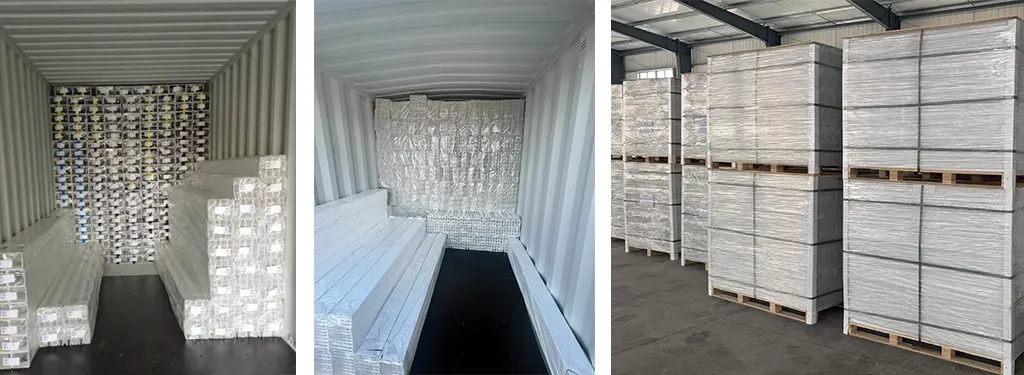
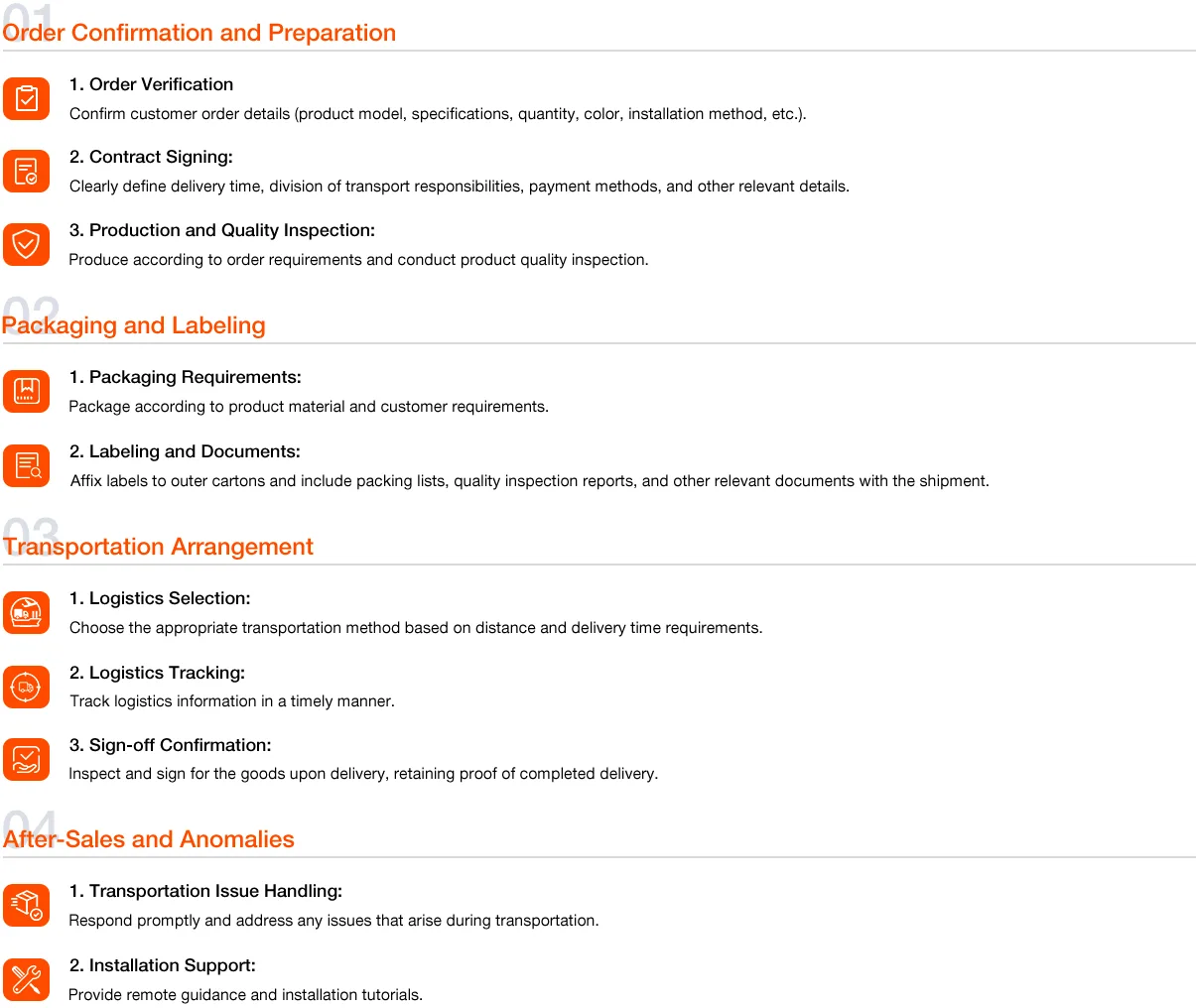
Pack the qualified PVC fence components according to customer requirements, typically using packing straps, plastic film, or wooden pallets for securing and protection to prevent damage during transportation.
 |
 |
 |
 |