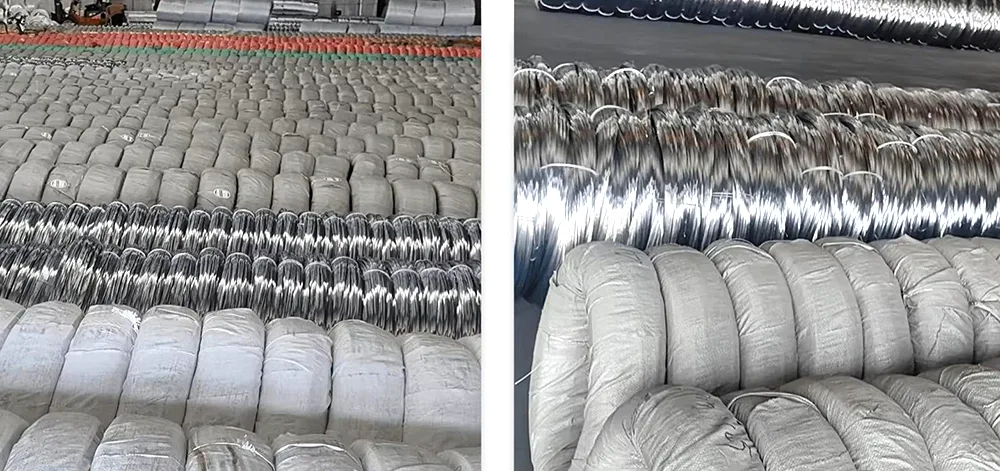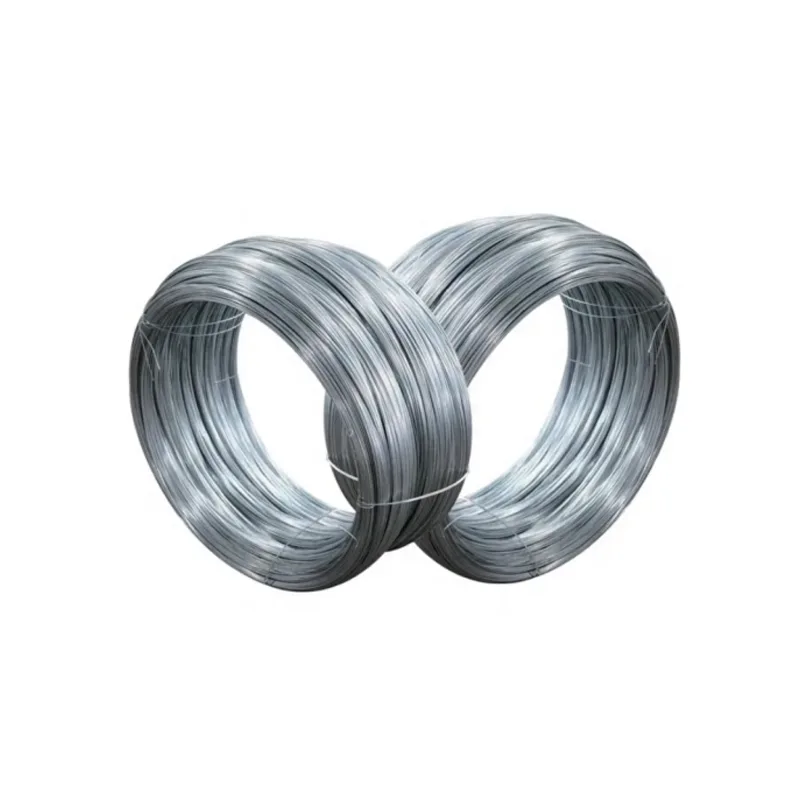
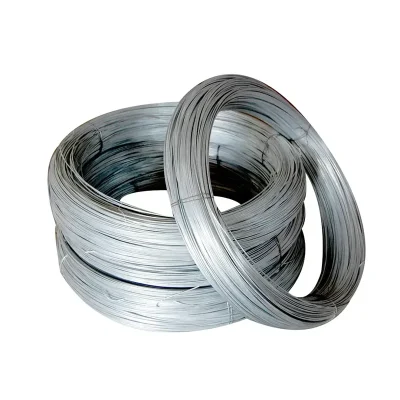
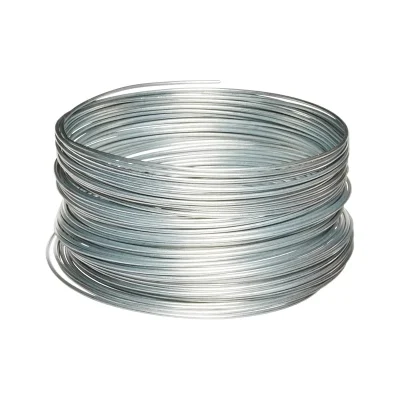
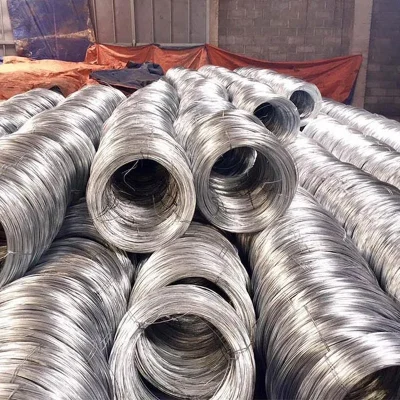
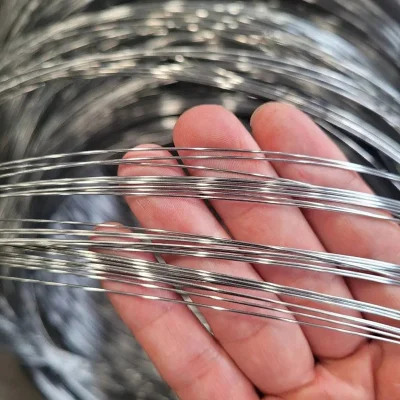

Galvanized steel wire is a robust, high-performance metal product engineered through sophisticated manufacturing techniques. It begins with the precise drawing of premium low- or medium-carbon steel wire, followed by galvanization via electroplating or hot-dip methods. This process yields a uniform, durable zinc coating that enhances the wire’s overall resilience and longevity.
Advanced heat treatment ensures the wire remains highly malleable, allowing effortless bending, shaping, and fabrication—greatly broadening its utility across diverse applications. The protective zinc layer acts as a formidable barrier, shielding against moisture, oxidation, and corrosive agents for superior durability in challenging environments.
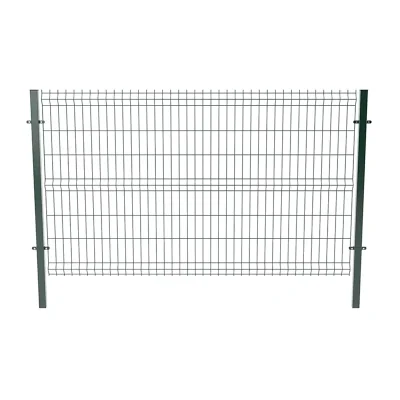
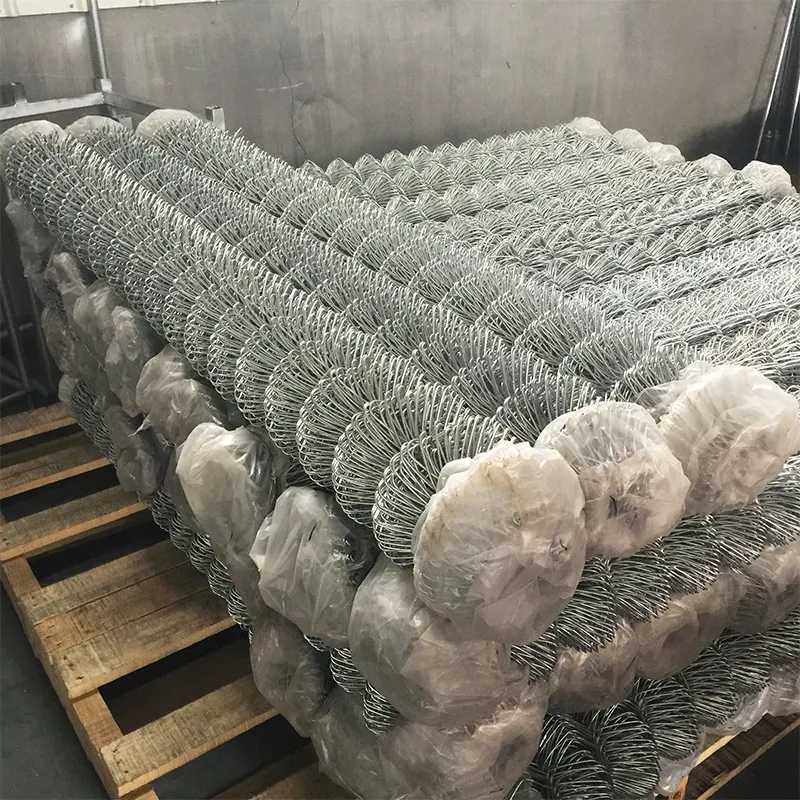
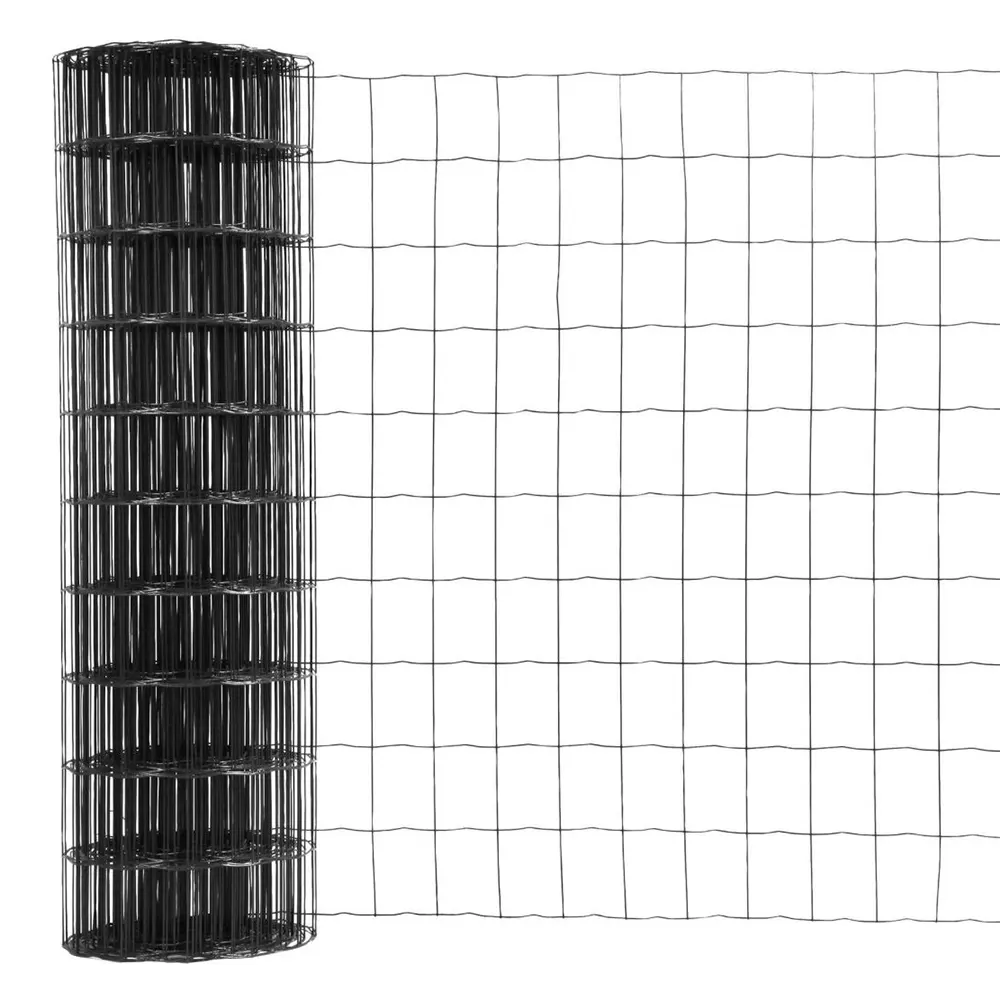
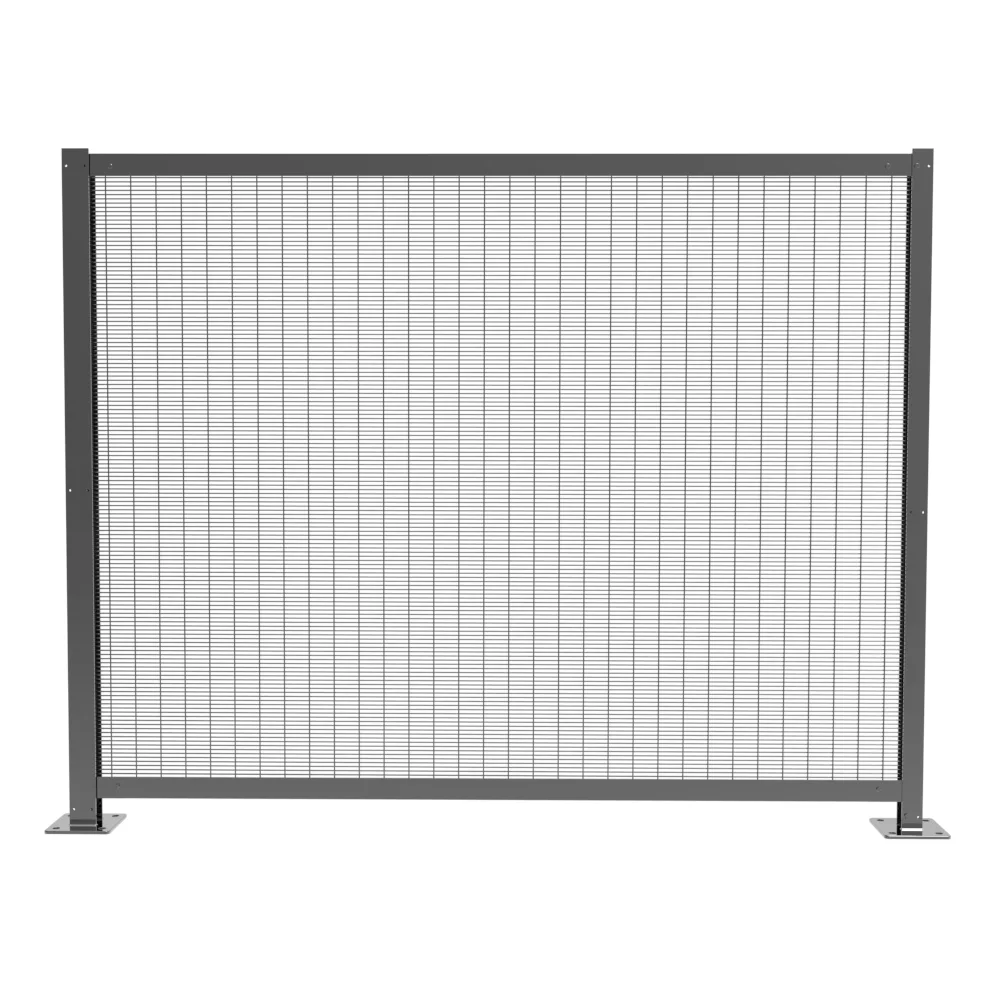
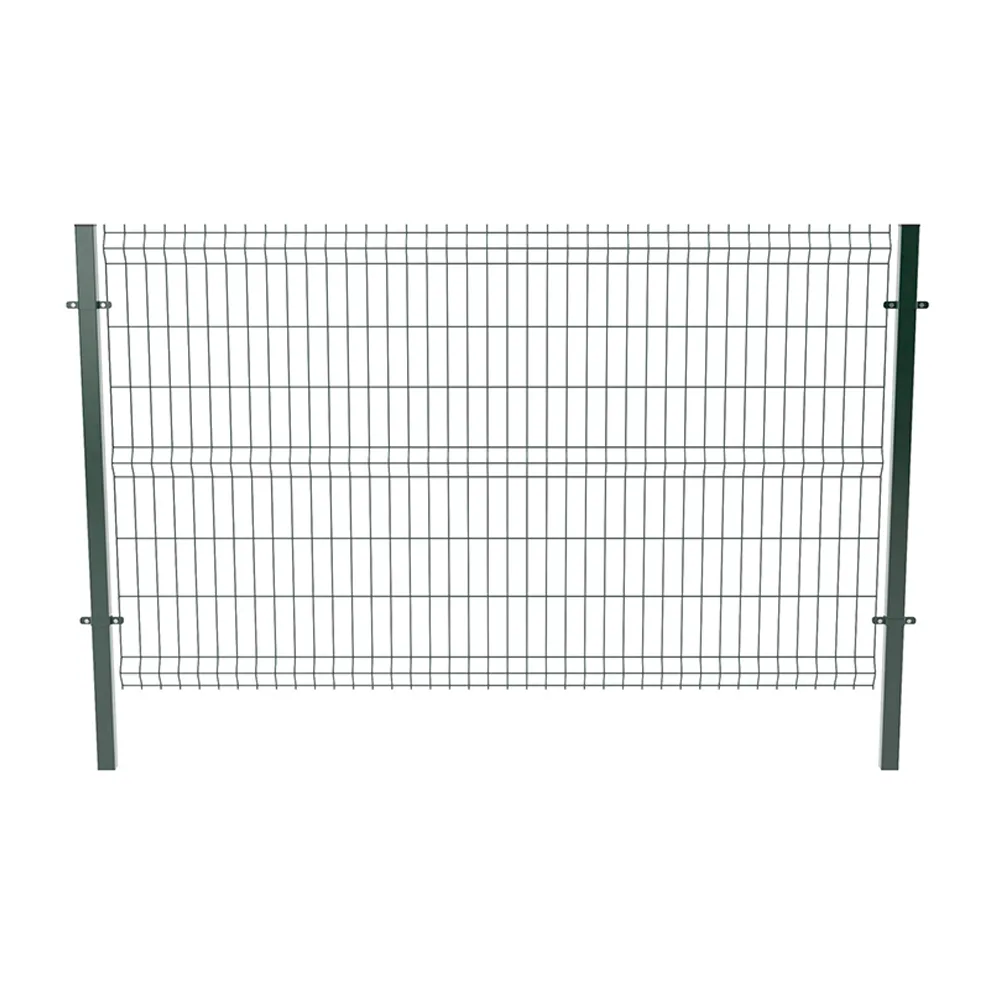
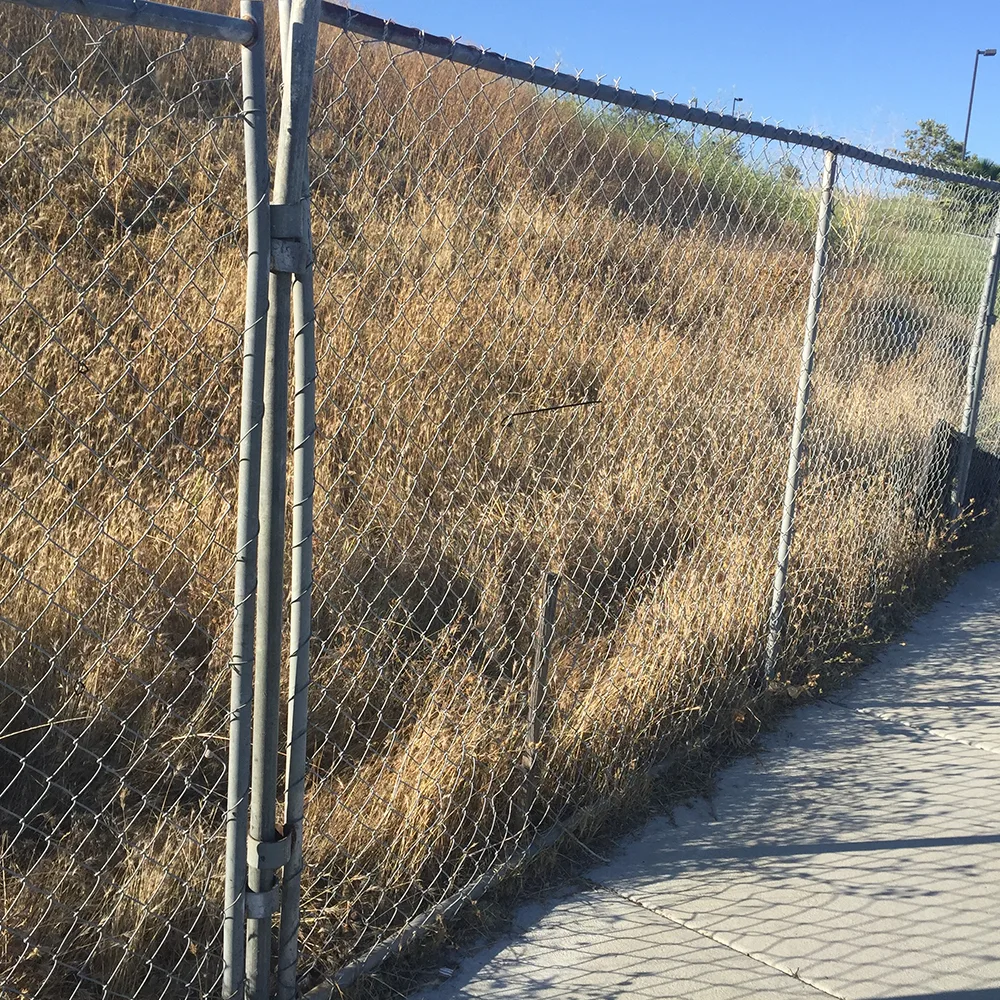
Due to its durability and reliability, galvanized steel wire is widely used in fencing products such as 3D fences and Rigid Mesh Panels. It is an indispensable material in numerous industries, including agriculture, construction, industry, power generation, and transportation.
Our galvanized steel wire products are available in a variety of wire diameters to suit different usage scenarios. Of course, as professional fencing mesh suppliers, we can customize the specifications of our products according to your needs or other usage scenarios.
| Type |
Round Wire
|
|
| Material |
Low-Carbon Galvanized Steel Wire
|
|
| Length(m) | 600 | |
| Wire Diameter(mm) | 2.5 | 3.15 |
| Finish | Galvanized | |
 |
 |
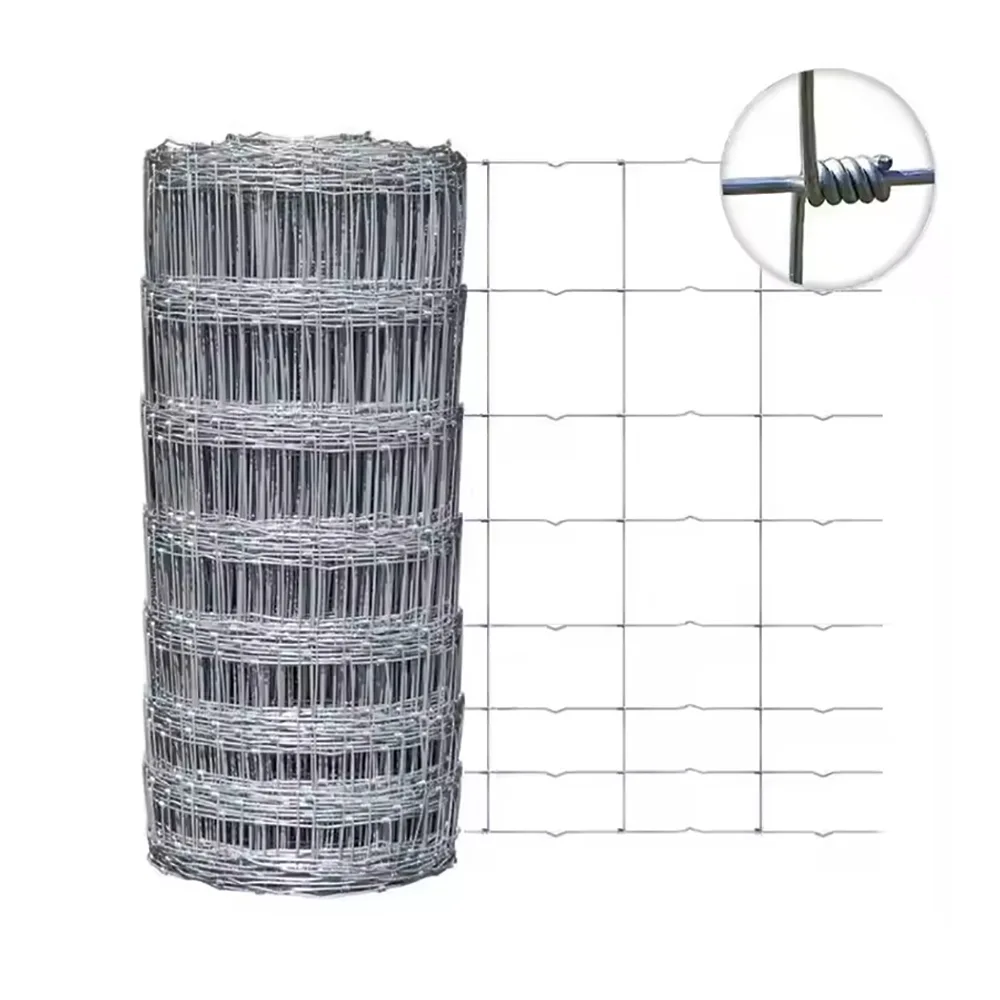 |
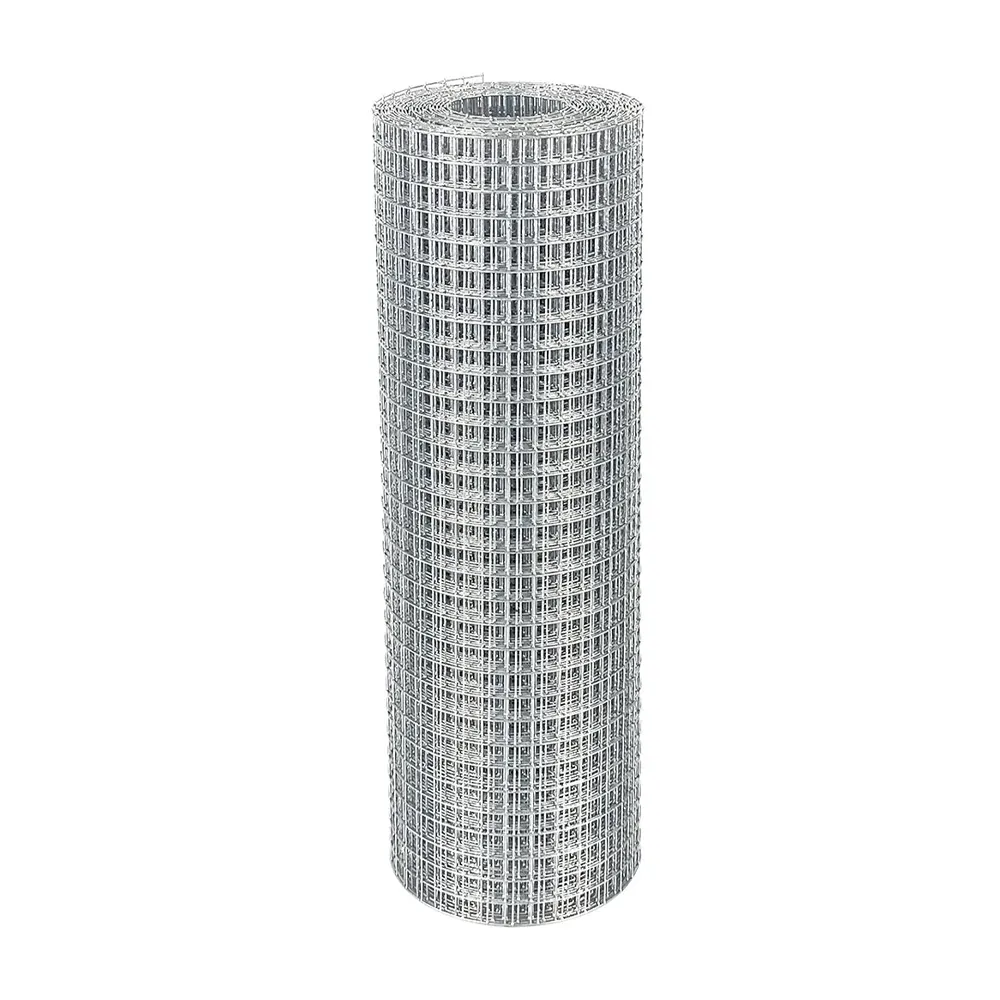
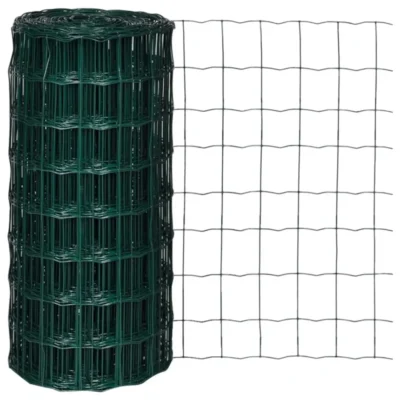
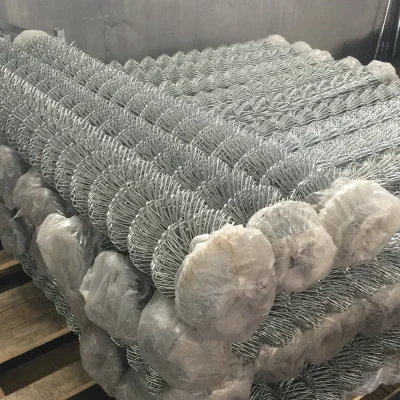
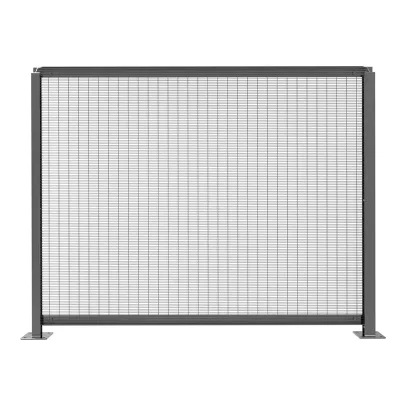
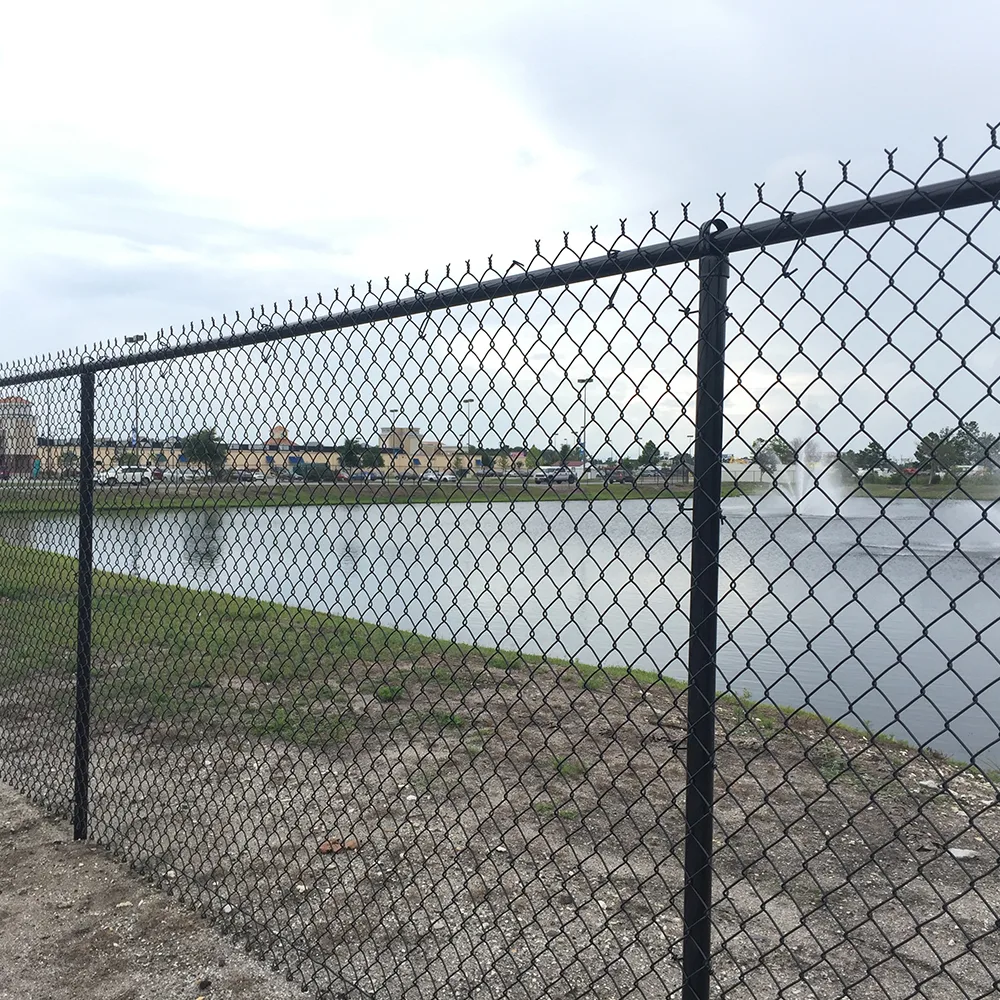
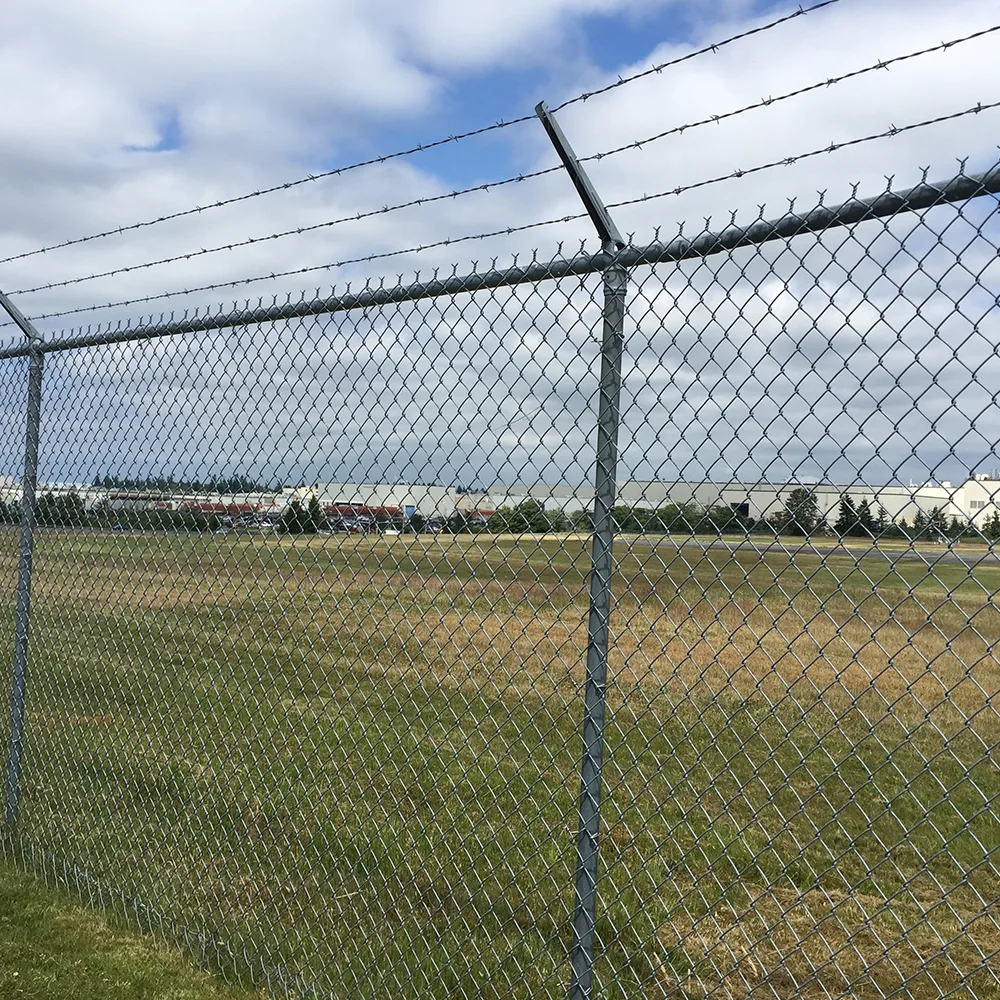
| Chain Link Mesh | Resistance Welded Wire Mesh | Light Stock Fence Panels |
 |
 |
|
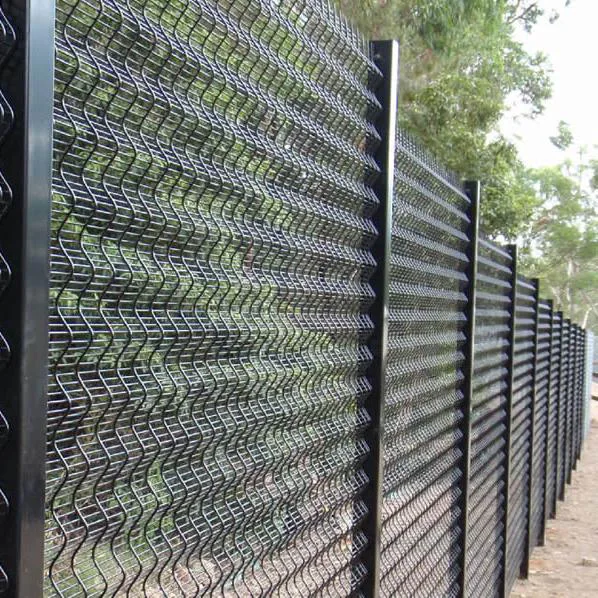
| 358 Mesh Fencing | 3D Curved Fence Panels | Welded Wire Mesh Fence |
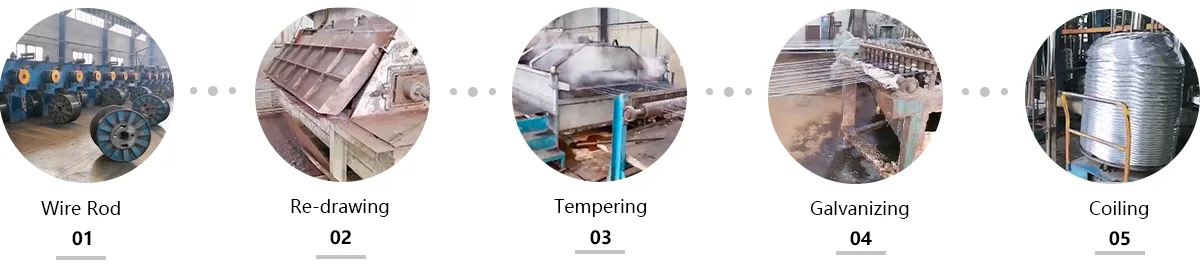
Production begins with high-quality steel wire, supplied in coils. This wire rod serves as the foundation for all subsequent processing.
First, the wire rod passes through a straightening machine to remove the natural bends introduced during the coiling process, straightening it. The wire then enters a wire drawing machine. Through the shrinking dies, the wire diameter is gradually reduced, and its length is stretched until the desired diameter is reached.
The wire is heated to a specific temperature and then slowly cooled to reduce its hardness, increase its ductility, and eliminate internal stresses, making it more suitable for subsequent galvanizing and improving its toughness.
After quenching and tempering, the wire enters the galvanizing process. The quenched and tempered wire is immersed in hot molten zinc. The molten zinc reacts metallurgically with the steel, forming a tightly bonded zinc-iron alloy layer on the surface. This thick, uniform coating provides excellent corrosion protection.
After being removed from the zinc bath, the galvanized wire is cooled and possibly slightly stretched to set its shape. It is then automatically coiled into neat coils. These finished coils are convenient for storage, transportation, and subsequent use.
 |
 |
 |
 |