

When it comes to choosing fencing materials for residential, commercial, or industrial spaces, homeowners and designers often face the dilemma: should you go for aluminum fences or stainless steel fences? Both options offer excellent durability, safety, and aesthetic appeal, but they also come with distinct advantages and considerations. This article compares these two popular fencing materials to help you make an informed decision.
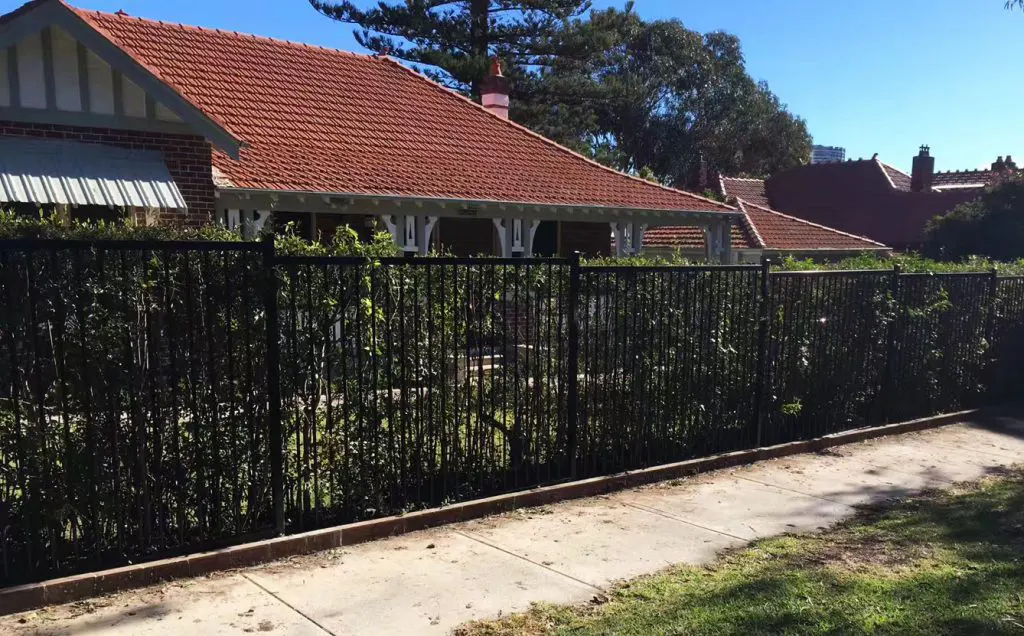
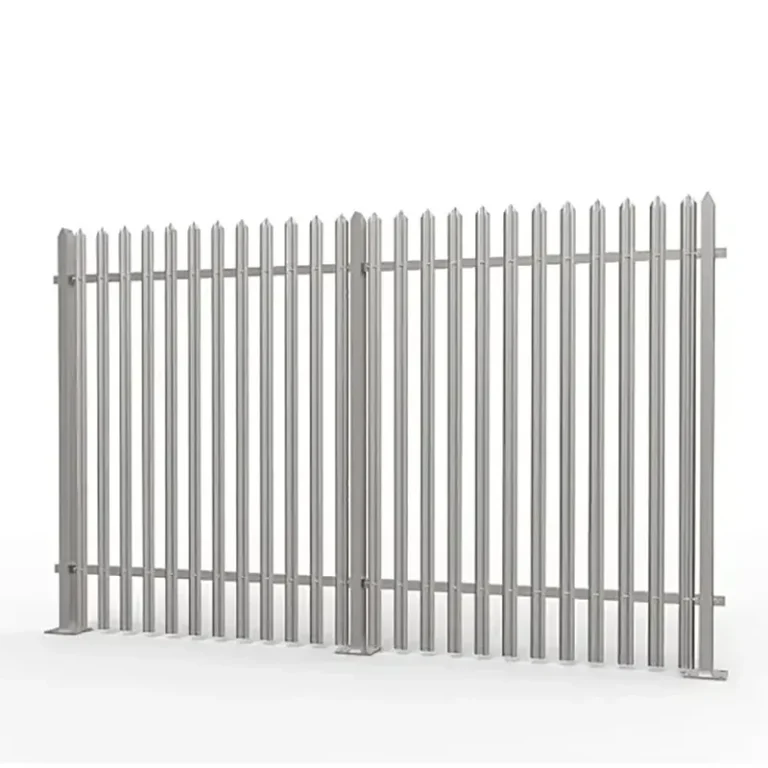
Made primarily from aluminum alloy, this fencing is lightweight, yet strong. Its modular design typically involves no welds, thanks to seamless connection points. The material naturally forms a dense oxide layer that provides good corrosion resistance without needing additional treatment. Its lightweight nature (roughly 3-4 kg per meter) facilitates easy transportation and installation.
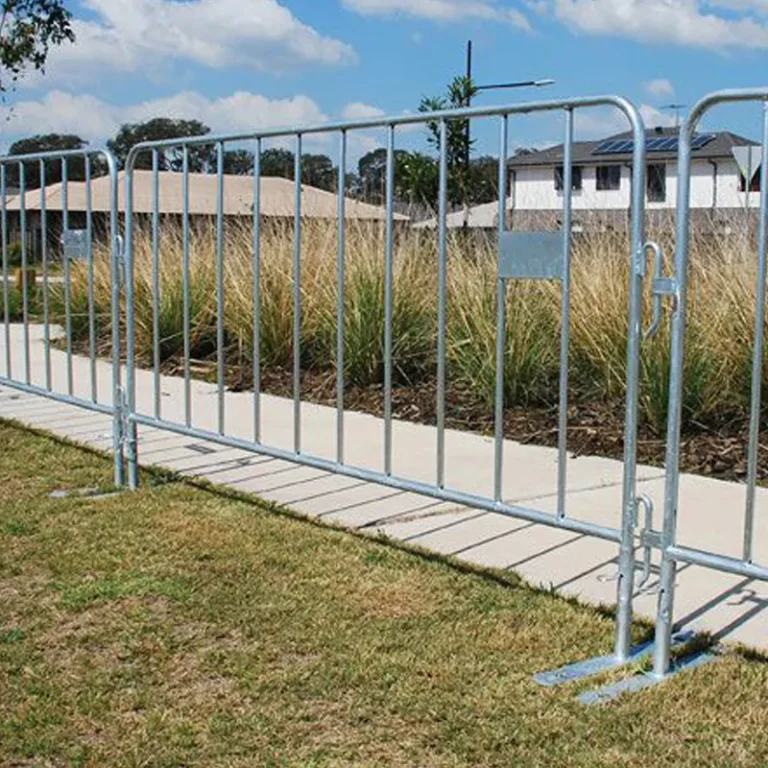
Composed mainly of stainless steel (such as 304 or 316 grades), stainless steel fences are much heavier—about 7-8 kg per meter—and renowned for their high tensile strength and robustness. Their construction often involves welding or bolted connections, ensuring a very stable and durable structure.

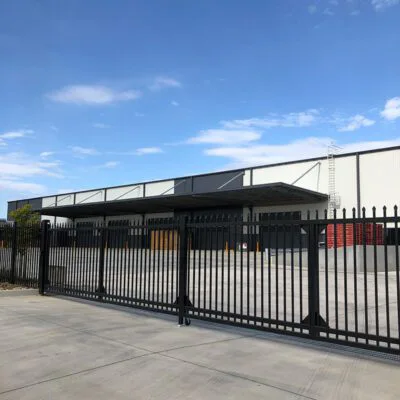
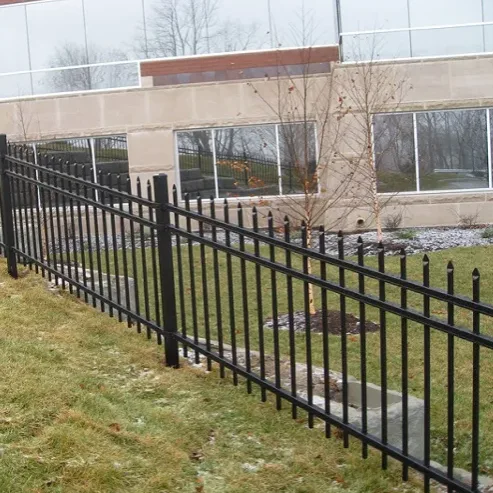
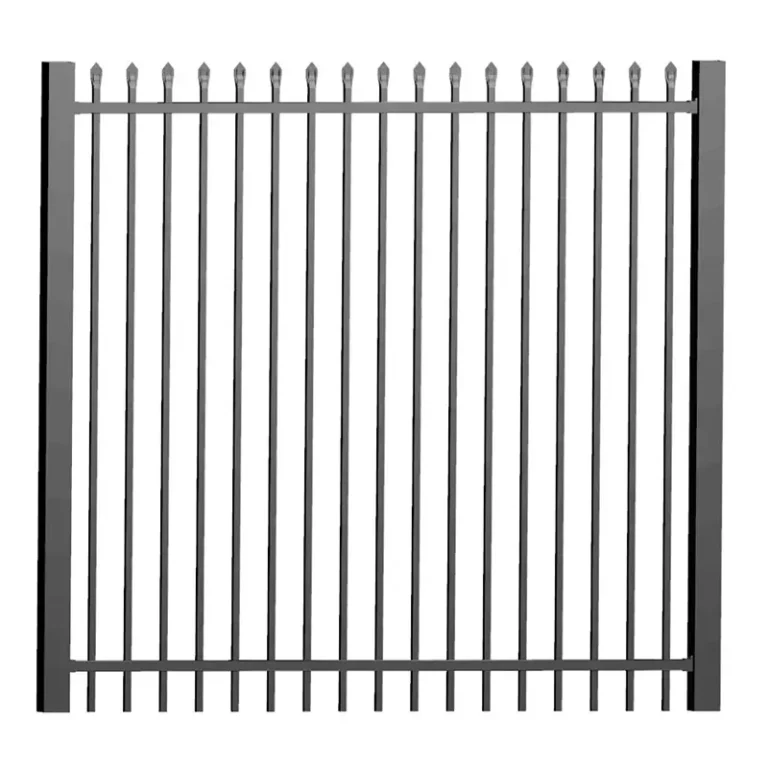
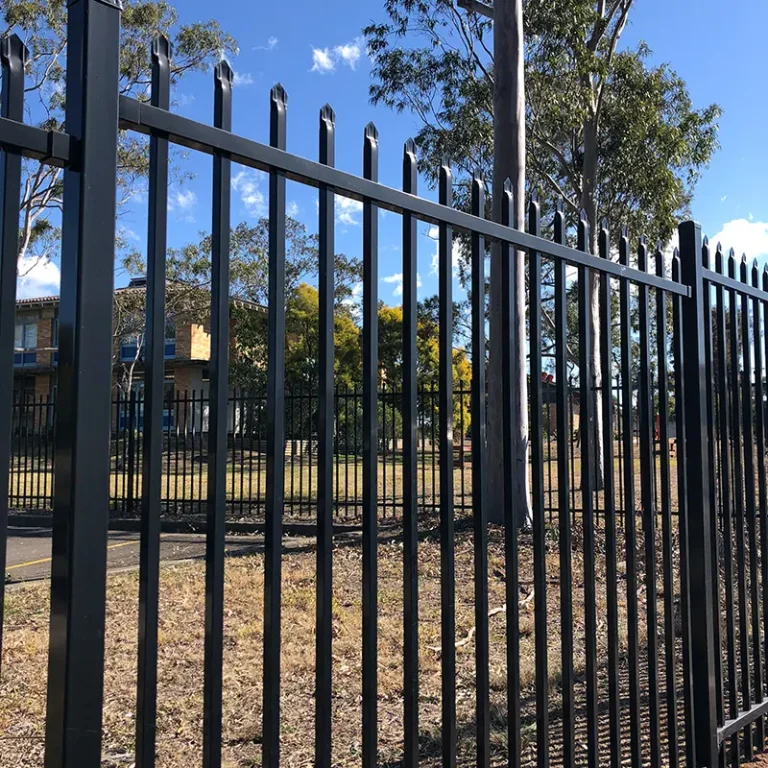
The aluminum fence has a natural anti-corrosion property due to the formation of an oxide film on its surface. When coated with special paint or undergoes anodic oxidation treatment, its corrosion resistance is further enhanced. For example, our Black Powder Coated 3 Rail Aluminum Press Point Fence and Black Powder Coated Aluminum Flat Top with Spear Fence are suitable for harsh environments such as those near the coast that are prone to salt fog or acid rain erosion. Generally, their service life can reach 20 years or even longer, and they require almost no maintenance.

Stainless steel is inherently corrosion-resistant, particularly grades like 316, which offer excellent performance in salt-laden or humid environments. Its corrosion resistance is superior to untreated aluminum, especially in highly corrosive environments, but it is not completely immune. Over time, surface scratches or damage can compromise its resistance, requiring maintenance.
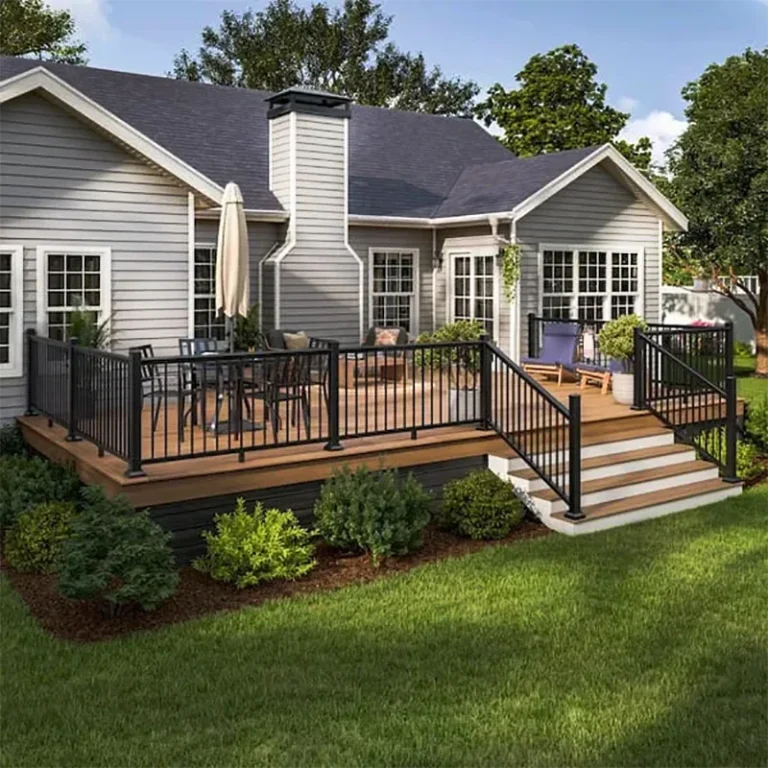
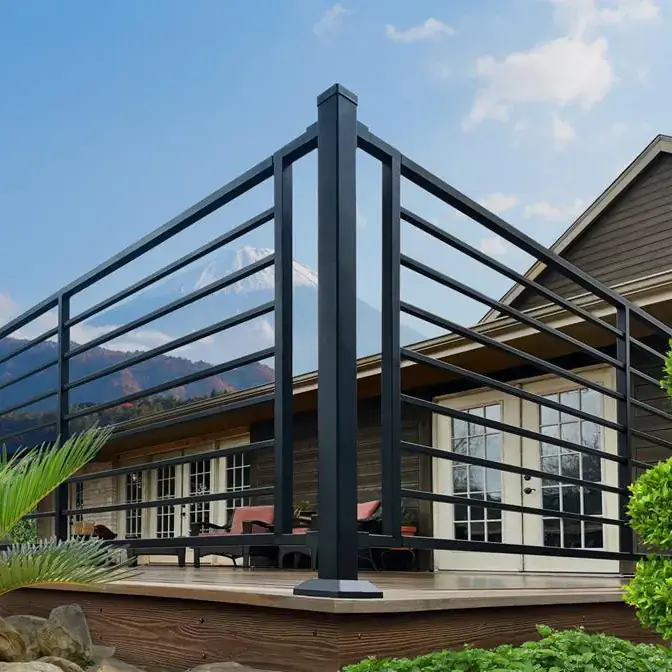
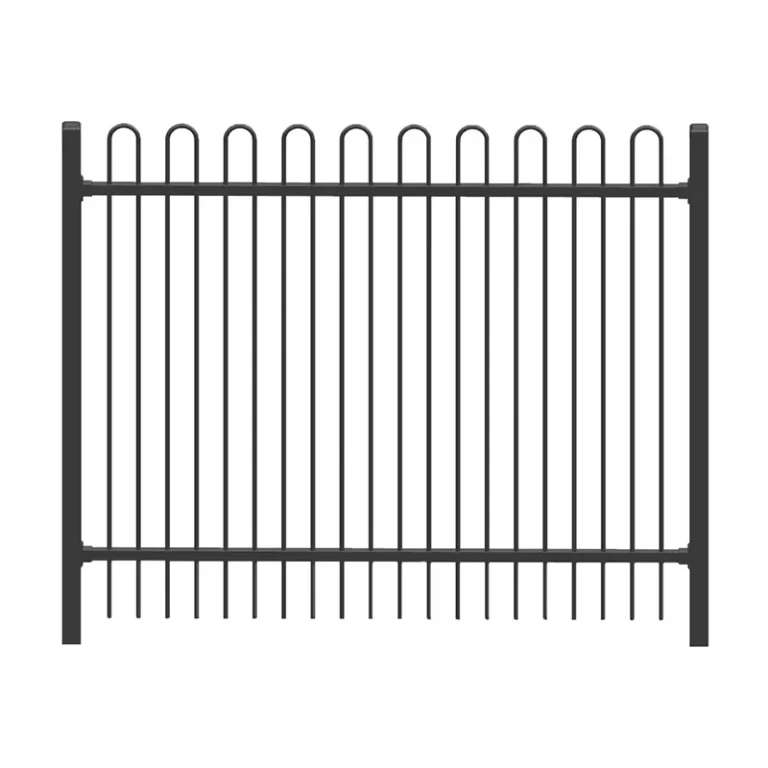
One of aluminum’s strengths is its versatility in design. It can be crafted into intricate decorative patterns, curved shapes, and comes in a broad palette of colors through anodizing or powder coating. Its sleek and modern appearance adds visual appeal, making it popular in architectural applications.
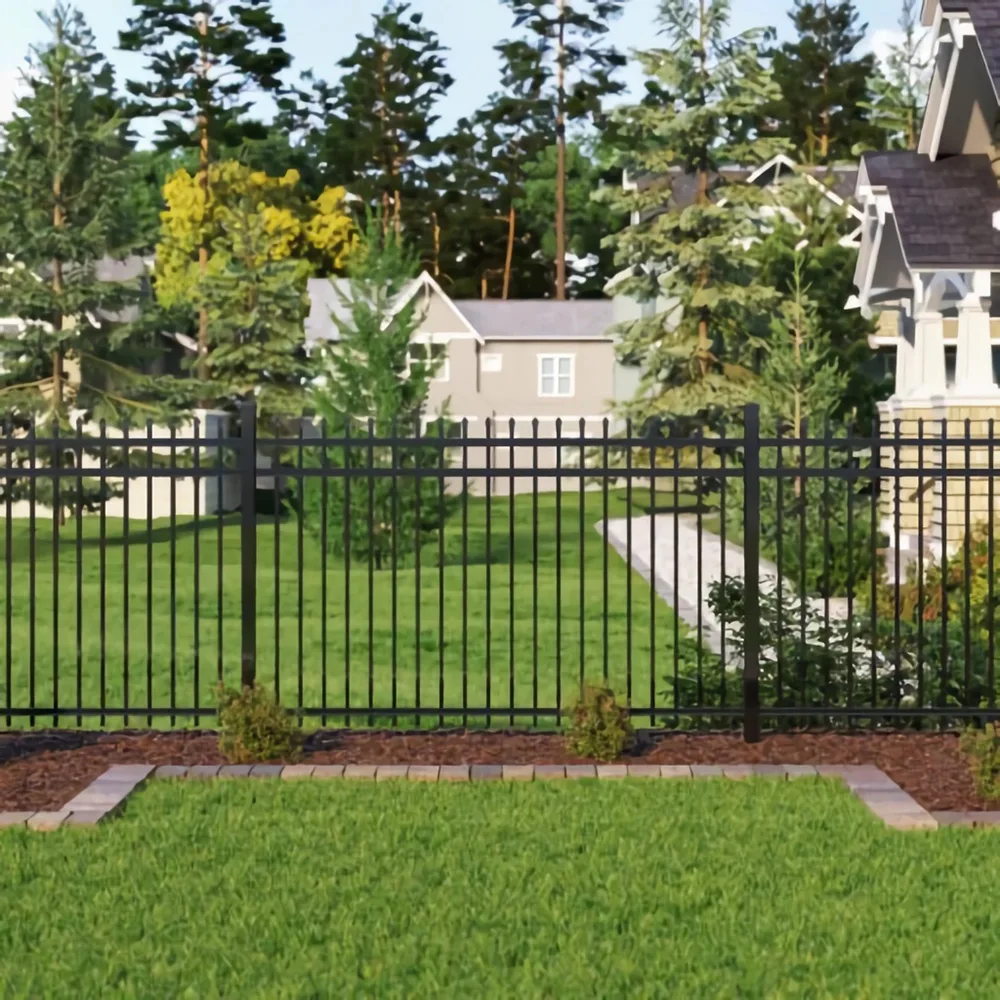
Though functional and modern-looking, stainless steel fences tend to have a more uniform metallic appearance. While they can be polished to a high shine or given brushed finishes, their decorative options are more limited. They are often used in minimalist or industrial designs.
Requires minimal maintenance—periodic cleaning and occasional repainting or touch-ups to maintain appearance. Its resistance to rust eliminates the need for anti-corrosion coatings over the lifespan.
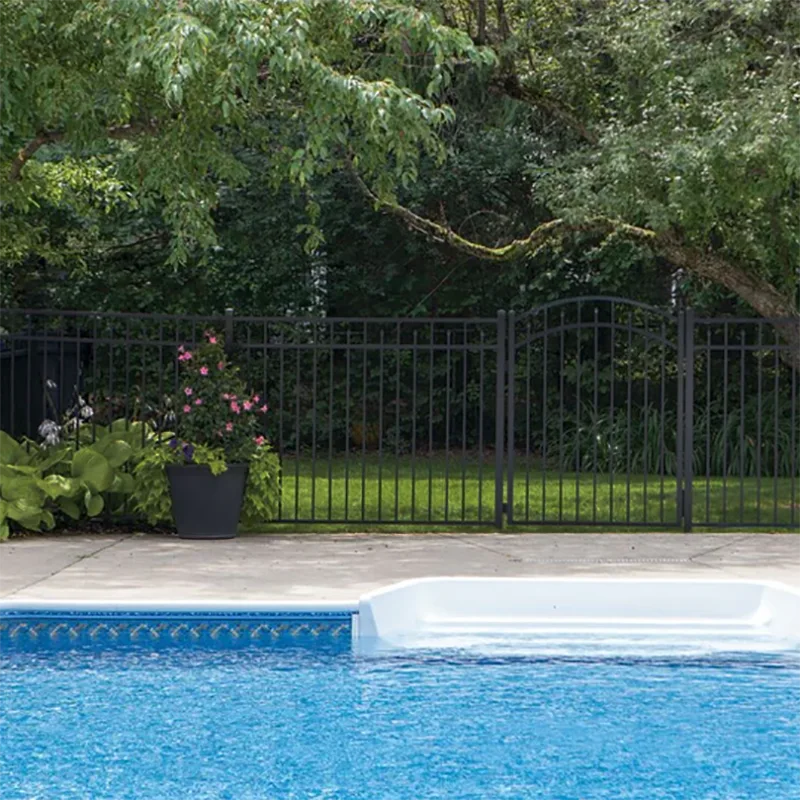
Low maintenance; cleaning with non-abrasive cleaners keeps its shine. However, scratches or damage to the surface can lead to spots of corrosion over time if not repaired. Its lifespan can reach 20 years or more with proper care.
The decision between aluminum fence and stainless steel fencing hinges on your specific needs, budget, and environmental considerations.
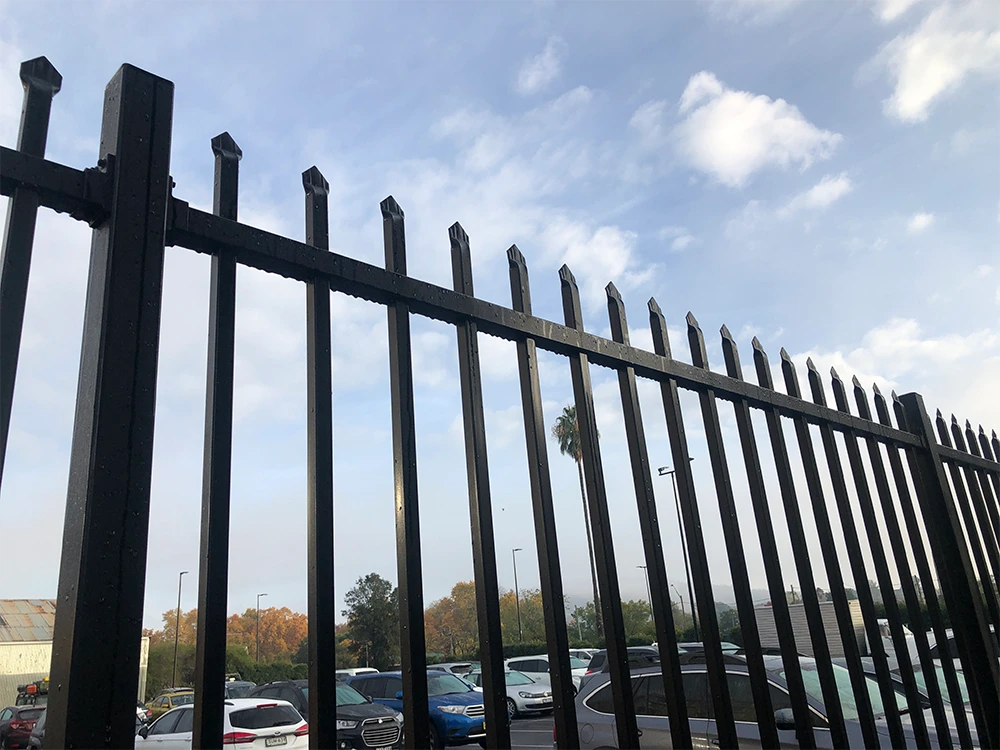
By comparison, the guardrail using aluminum alloy profiles as the base material has the outstanding advantages of stable performance, high strength, lightweight and stainless steel, and long service life. Its joints are tight and seamless, safe and reliable, beautiful and fashionable, and it does not rust. It also conforms to the current green production and development advocate. The aluminum art guardrail does not need to be painted and maintained. The cost is the lowest, and the aluminum art guardrail is generally resistant to acid rain, has no rust, no pollution, and has low maintenance costs. It is artistic, beautiful and environmentally friendly, colorful, elegant, and durable.