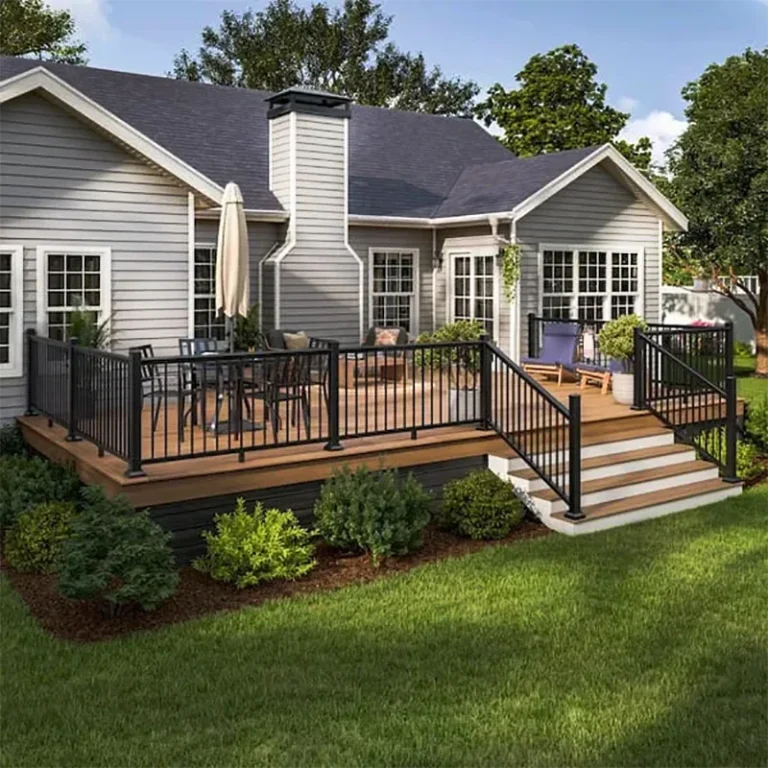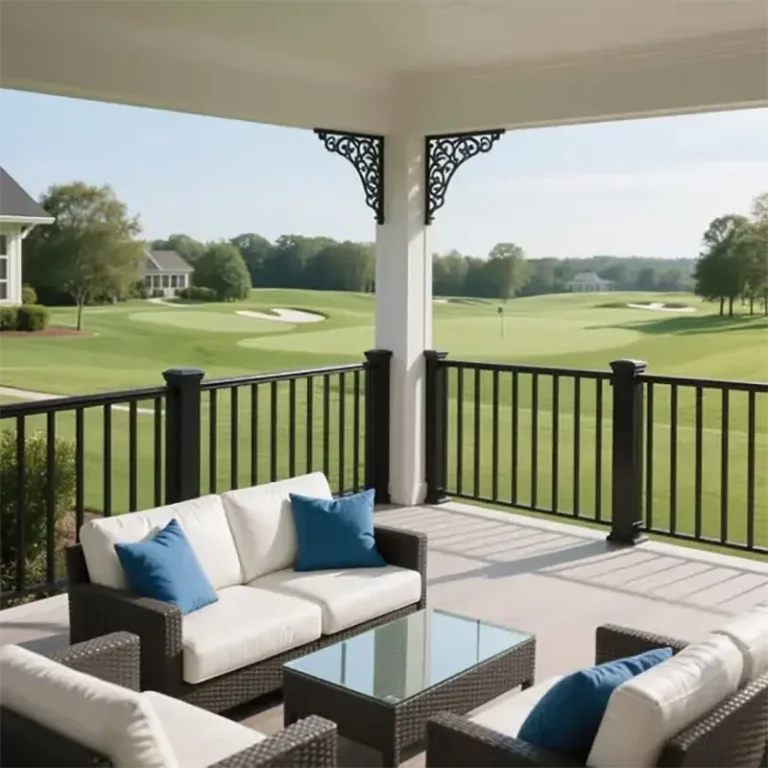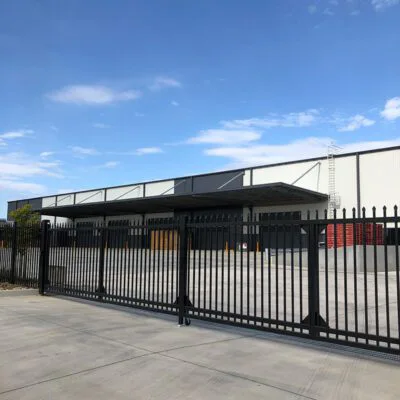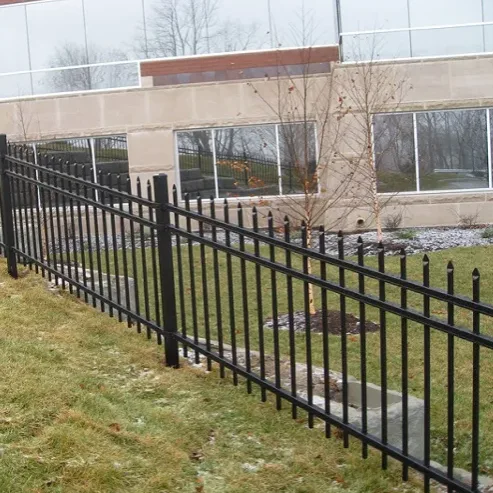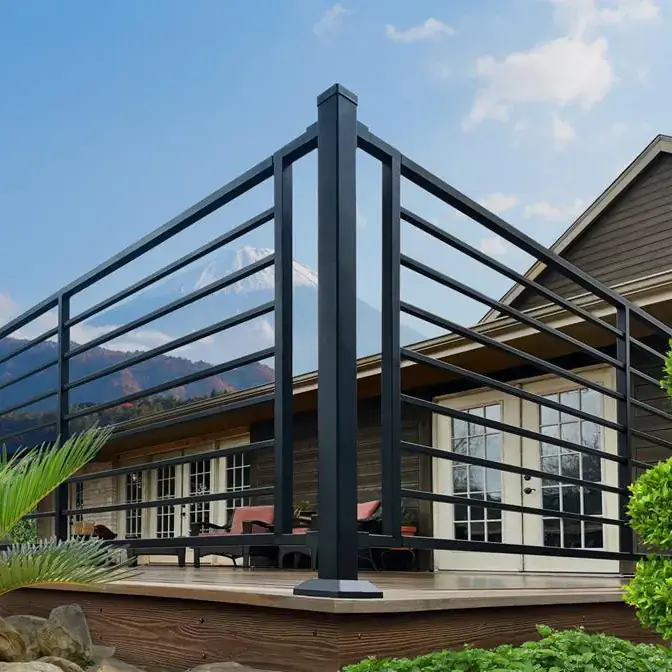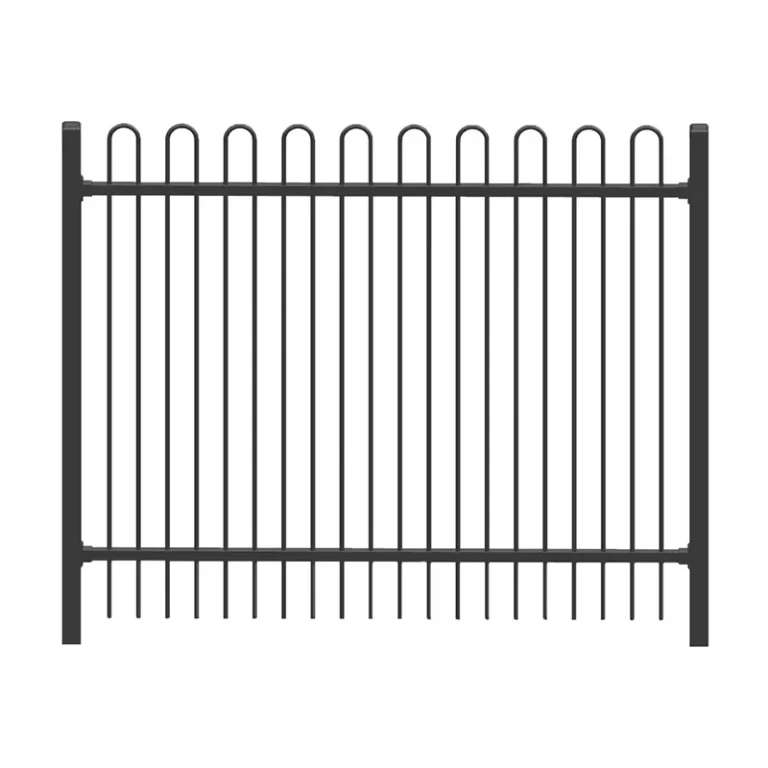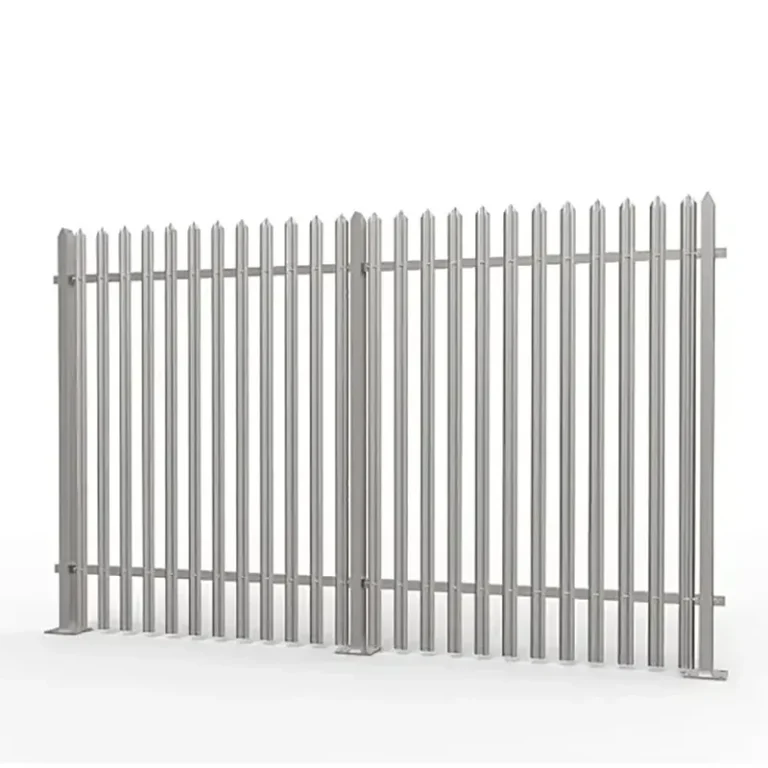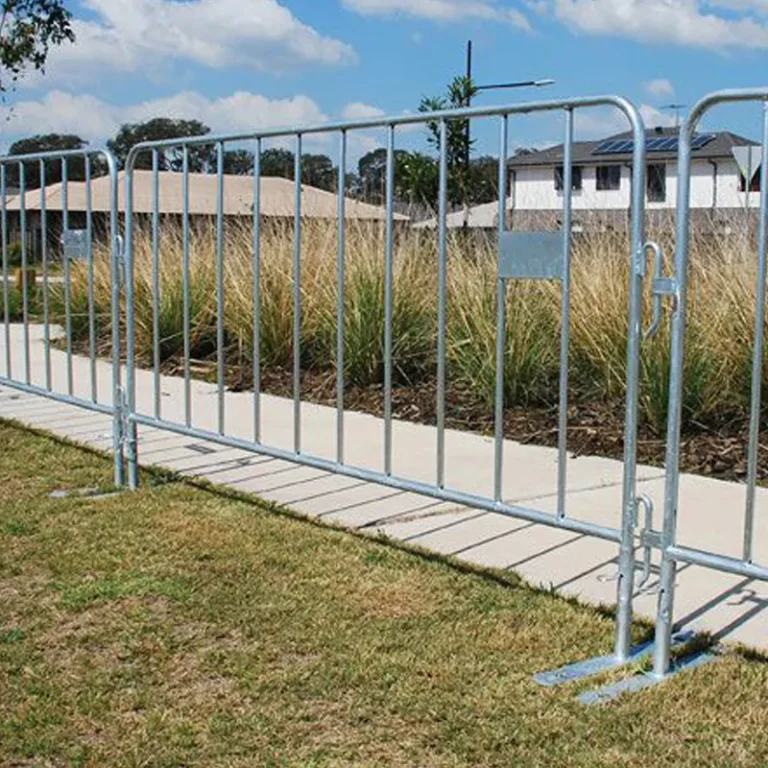


In the design and construction of residential balconies and terraces, the structural strength of the deck railings is of paramount importance. The strength of the Aluminum Deck Railings directly impacts the safety of the residents. An insufficiently strong railing may become loose, deform, or even break during daily use, posing serious safety hazards to residents.
Safety and durability issues with railings are common in residential projects. For example, some railings may become wobbly or have loose connections after a period of use. This not only affects the normal use of the railing but also reduces the overall safety of the residence. Furthermore, different residential environments and usage patterns have different requirements for railings. If the chosen railing is not suitable for the actual environment, its durability will be significantly compromised.
The purpose of evaluating aluminum railing systems from a structural perspective is to ensure that the railings. While meeting aesthetic requirements, possess sufficient strength and stability to provide reliable safety protection for residents. A comprehensive evaluation of the aluminum railing structure allows for an understanding of its performance under different load conditions, thus providing a scientific basis for the design and construction of residential balconies and terraces.
Regarding strength, we often refer to certain standards, such as the horizontal thrust and vertical load requirements in building codes. However, there’s a difference between codes and actual use: codes usually set minimum safety standards, while the forces in actual use can far exceed these standards, especially in a family environment. The International Building Code (IBC) and some local codes typically require railings to withstand a horizontal thrust of 50 pounds per linear foot (approximately 244 Newtons per meter) and a vertical load of 200 pounds per square foot (approximately 976 Newtons per square meter).
However, these values are easily exceeded in actual household use. Therefore, a comprehensive assessment of the entire railing system is crucial, and it’s not enough to focus solely on the strength of individual components. This means considering the synergistic effect of all components, including posts, panels, handrails, connectors, and fastening methods, to ensure the entire system can withstand the expected loads and maintain stability.
The strength of aluminum patio railings is not determined by a single factor, but rather by a combination of structural factors.
The thickness of aluminum profiles is fundamental to their load-bearing capacity. Thicker aluminum profiles generally mean higher strength and stiffness. For example, the wall thickness of common aluminum deck railing profiles can range from 1.5 mm to 3 mm (approximately 0.06 to 0.12 inches), or even thicker. At the same time, the cross-sectional design of the aluminum profile is also crucial. For example, some aluminum railing manufacturers use hollow square tubes, rectangular tubes, or profiles with reinforcing ribs can effectively improve their resistance to bending and torsion. Different cross-sectional shapes will also exhibit different mechanical properties when subjected to loads in different directions.
The distance between posts directly affects the load borne by each post. If the post spacing is too large (e.g., exceeding 1.2 meters to 1.8 meters, depending on the profile design and specifications), the railing is more likely to bend and deform when subjected to lateral forces; conversely, too small a spacing will increase costs and installation difficulty. Therefore, the post spacing needs to be determined reasonably based on the railing design requirements and actual usage. At the same time, the load distribution within the railing system must also be considered to ensure that all components bear the force evenly.

The connection points in a railing system, including the connections between posts and panels, handrails and posts, and the railing system to the terrace structure (such as the ground or wall), are potential weak points. High-quality, high-strength connectors (Such as 304 or 316 grade stainless steel bolts and rivets) and precise installation methods are crucial to ensuring the integrity and load-bearing capacity of the entire system. Incorrect installation or inferior hardware can lead to loosening or failure of the system under load. Our aluminum patio railings are supplied with brackets, fence posts, post caps, and screws for easy installation. All components are precision-machined and made from high-quality materials to ensure a tight fit with the railing panels and guarantee overall stability.

For example, the ASTM E985 standard is a core standard for the safety of fixed metal stairs, providing manufacturers with clear testing specifications and certification standards. The strength of a railing system depends not only on the strength of individual components but, more importantly, on the synergistic work of the entire system. Overall system design needs to consider the interaction between various components to ensure the entire system can withstand the expected loads. For example, the fit between posts, horizontal bars, and connectors, as well as the stability of the foundation, all affect the overall strength of the railing.
Aluminum railings demonstrate excellent performance in residential terrace applications, primarily in the following aspects:
Aluminum is strong. It has high yield and tensile strength, which means it can handle a lot of bending without getting permanently bent out of shape. For example, the 6063-T5 aluminum alloy has a tensile strength of about 240 MPa and a yield strength of around 215 MPa. If the railing has a good design, like using parts with internal ribs, it can resist bending even better. So when people lean on it, it stays stable and doesn’t sag or deform much.
Residential terraces often face winds and other side ways forces. Well-designed aluminum railings can handle these repeated loads. They’re rigid and well-connected, so they stay steady even in bad weather. This stops them from shaking or coming loose, keeping people safe.

Unlike wood, which is susceptible to moisture, corrosion, and insect damage, aluminum has excellent corrosion resistance. After appropriate surface treatment (such as industrial-grade powder coating or anodizing, typically conforming to AAMA 2604 or AAMA 2605 standards), aluminum railings can effectively resist erosion from rainwater, ultraviolet rays, and airborne chemicals. This means that the structural performance of aluminum railings will not significantly degrade under prolonged outdoor exposure, providing reliable long-term safety.
When choosing a patio railing system, understanding the characteristics of different materials is crucial.
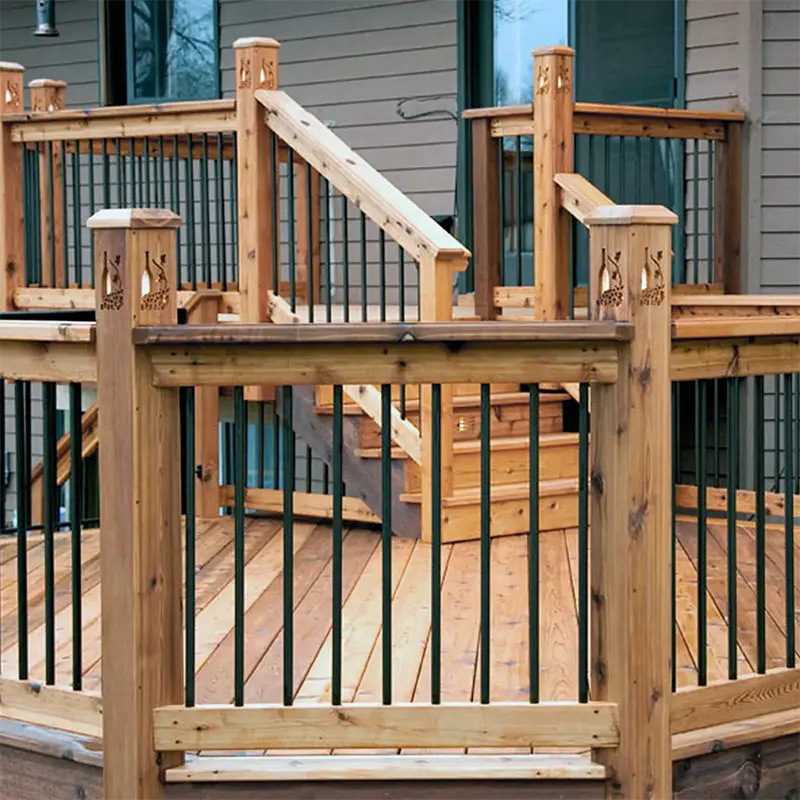
Wood railings are popular because they look natural and are easy to work with. But wood can crack, warp, rot, or get eaten by bugs because of changes in humidity and temperature. This makes it less strong, and it usually only lasts 10-15 years. You also have to take care of it a lot. Aluminum railings, on the other hand, are better at handling the weather. They don’t deform or corrode easily, need little maintenance, and can last 25-50 years or more. Their strength stays stable even with repeated use and long-term outdoor exposure.
Vinyl railings are cheap, but they’re not as strong or stiff as aluminum ones. Vinyl can also get old and break down when it’s in the sun. Aluminum railings are stronger and can handle harsher weather and heavier loads.
Even though aluminum railings have many good points, there are times when they might not be the best choice:
When you’re picking an aluminum railing for your home deck, think about these things:
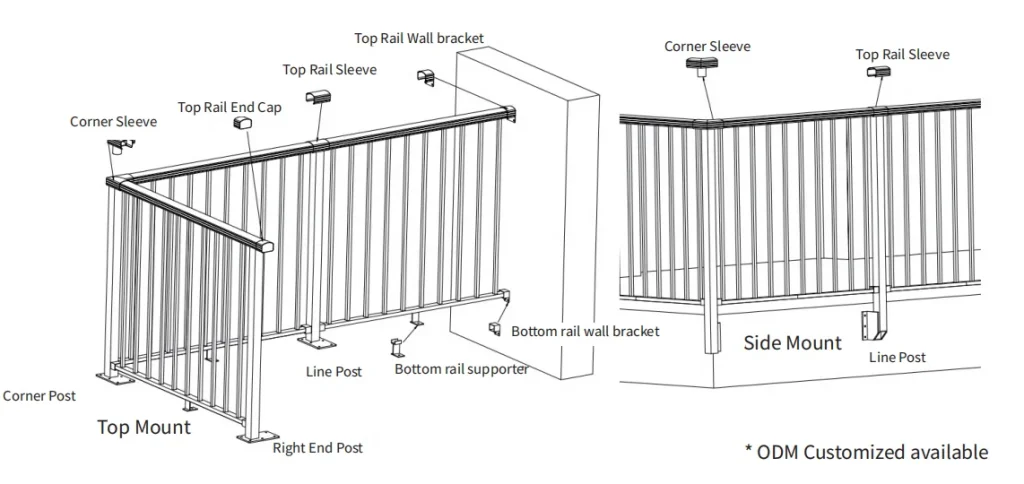
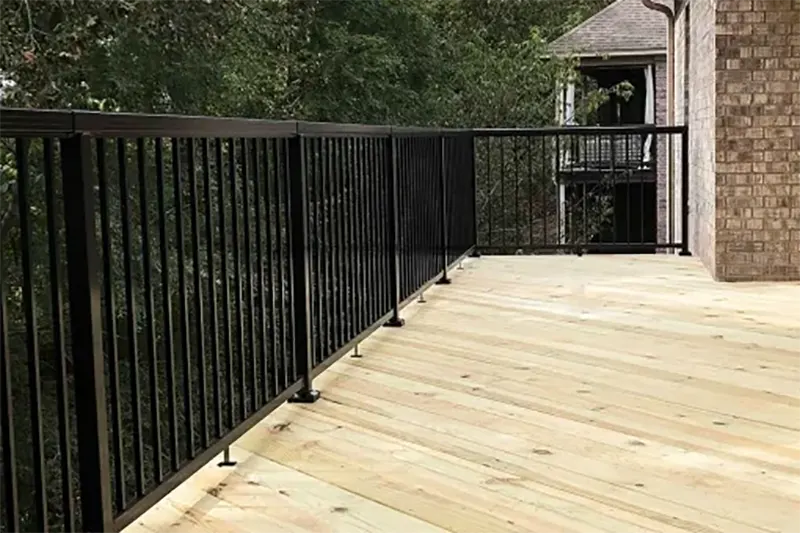
Take our Aluminum Railing And Stair Handrail Railing system as an example. Our railings use 5/8 – inch square posts. They’re made so you can install them yourself, and they’re cheap. Our DIY/kit aluminum railing has a tough powder coating that meets AAMA2604 standards. It looks good and lasts a long time.
The panels are already welded together and come with posts and brackets that are firmly attached. This makes installation easy and fast. The panels are made for stairs with an angle of 30 to 40 degrees and can be changed to fit different structures. The railing covers hide the mounting parts, giving it a nice look. The panels are charcoal black and go well with our pre-assembled horizontal railing panels.
We have aluminum railings in standard lengths of 36 inches. Standard heights of 34 inches and 40 inches. They’ll fit different situations. We can also customize the size, color, finish, and design to meet your project’s needs.
In summary, Aluminum Deck Railings for residential patios perform exceptionally well due to their excellent weather resistance, corrosion resistance, and good strength and rigidity. A well-designed aluminum railing system can effectively handle various loads commonly encountered in a home environment. It can maintain long-term structural stability and safety.
Key considerations for evaluating strength and safety include the thickness and design of the aluminum profiles, the support capacity of the posts, the robustness of the connection points, and the overall engineering design of the system. These factors collectively determine whether the aluminum railing system meets code requirements and practical usage needs.

Regarding project planning and purchasing, our advice is: when choosing aluminum patio railings, always prioritize structural strength and safety. Carefully review the product technical specifications. Understand its load-bearing capacity, and ensure that the selected system complies with local building codes. Also, consider the height of the patio and the intended users. Choose a matching, proven aluminum railing system to provide your family with a safe, aesthetically pleasing, and durable outdoor leisure space.