
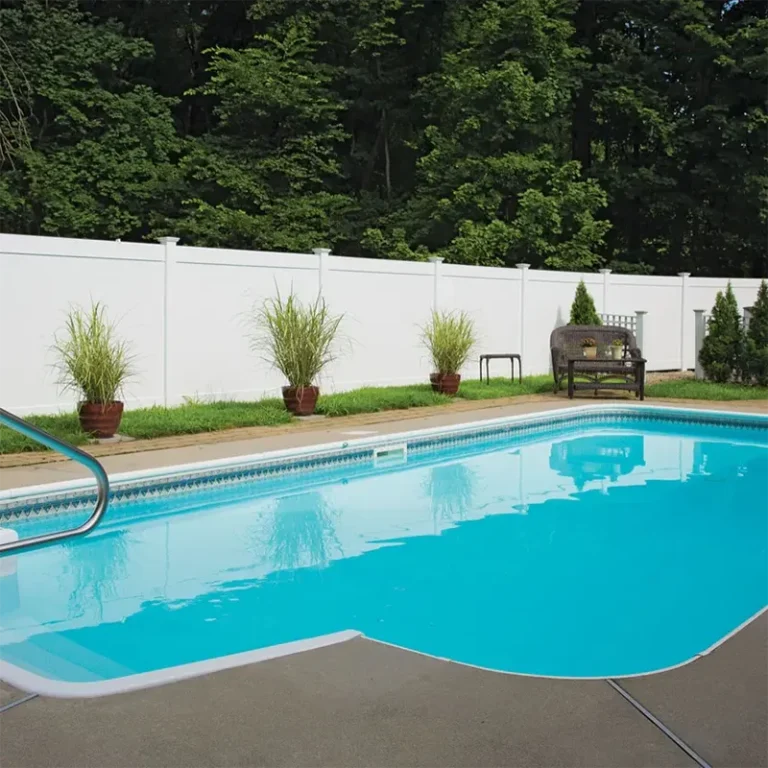

Fencing serves as a critical component in ensuring the safety, security, and demarcation of property boundaries. Whether it’s a construction site, a residential property, or a commercial space, the right kind of fencing can significantly contribute to the overall safety and aesthetic appeal. This article will delve into the world of safety fencing, specifically focusing on the differences between temporary and permanent fencing.
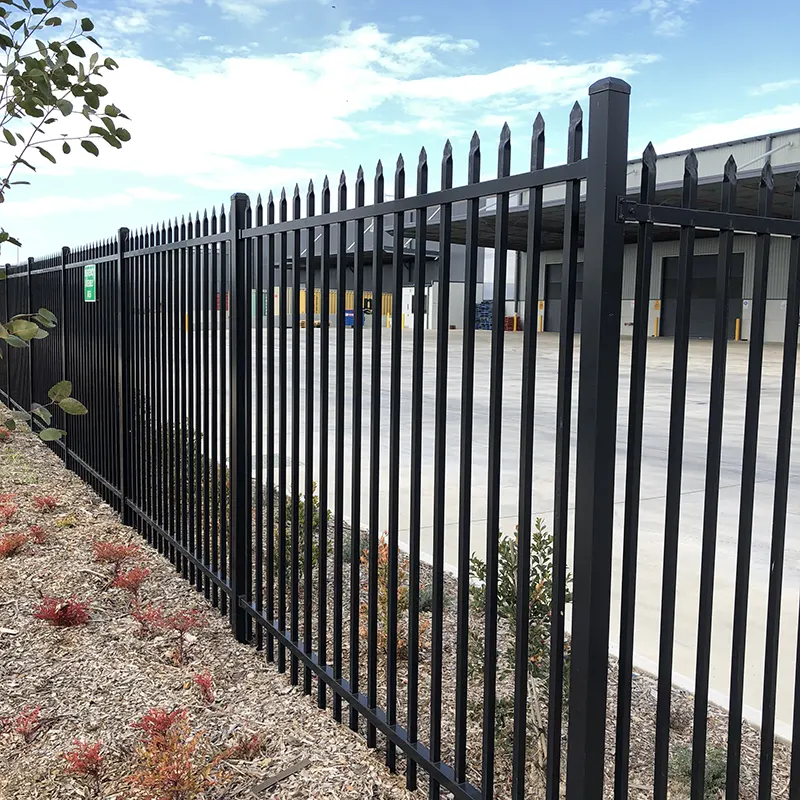
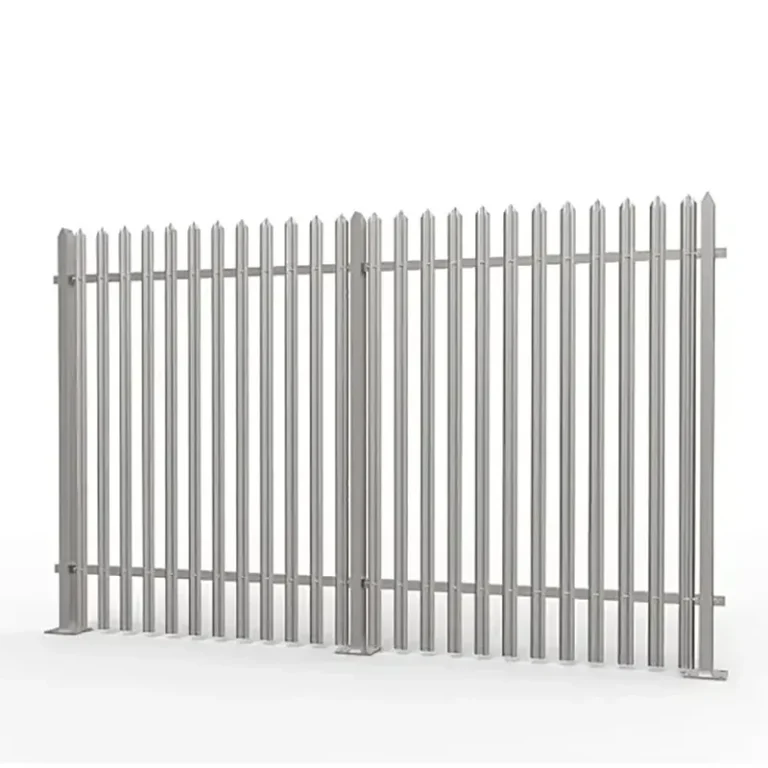
Safety fencing, such as steel palisade fence, is essentially a barrier set up to prevent access to a specific area. It serves to protect both people and property by reducing potential hazards. Safety fencing can be utilized across various sectors, including construction, events, mining, and even residential areas.
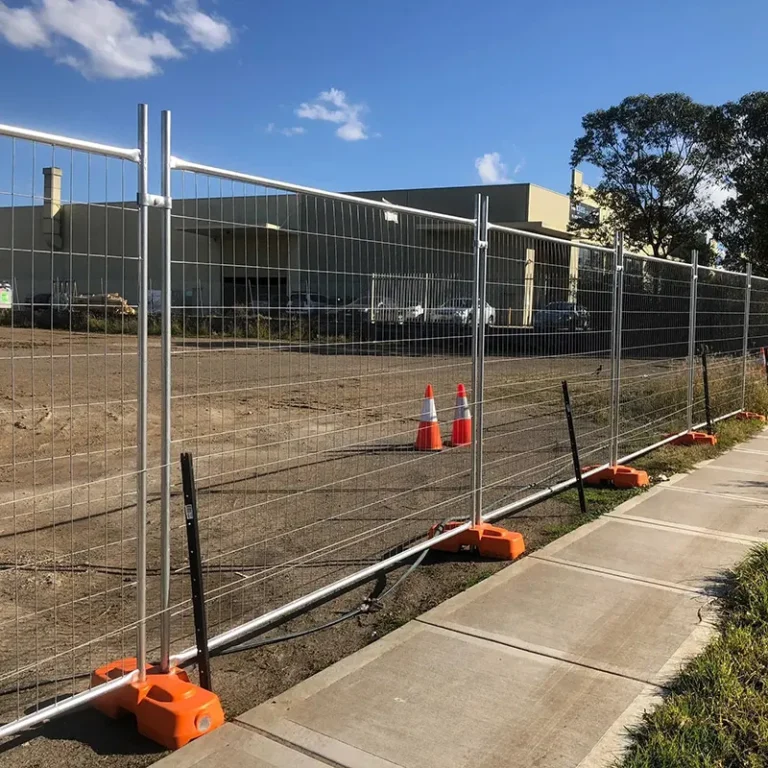
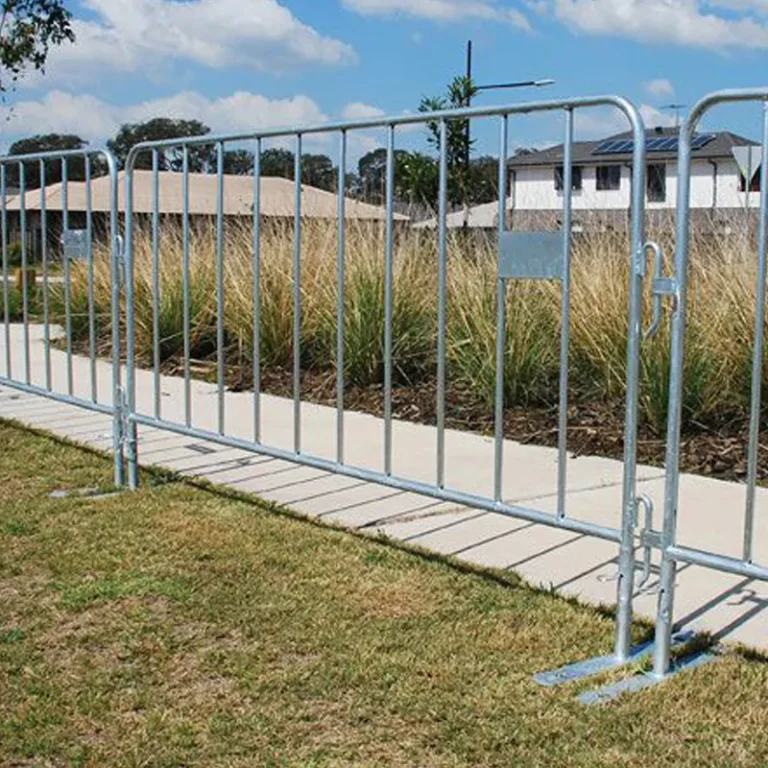
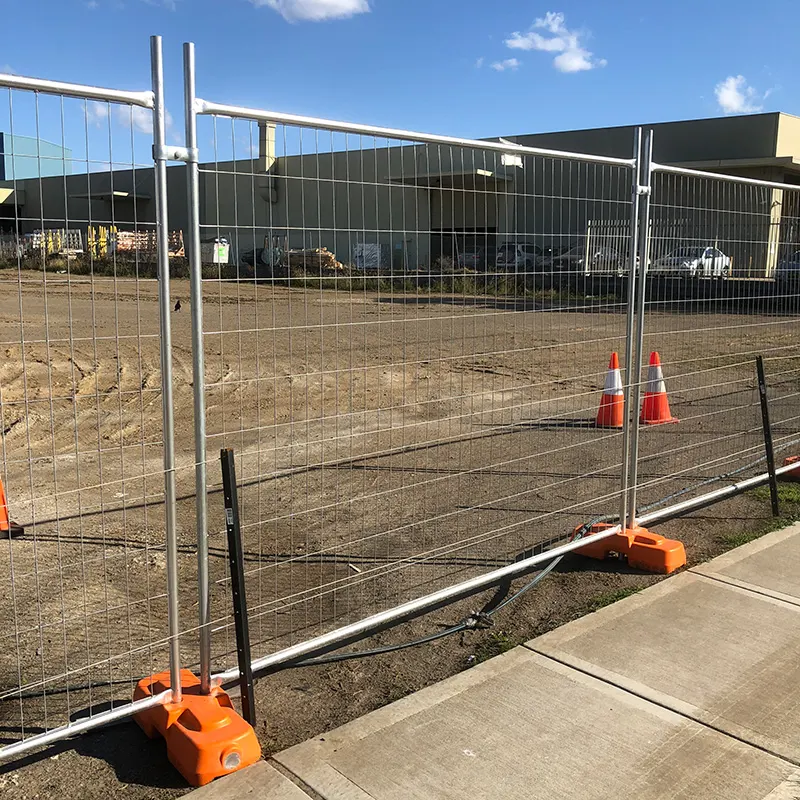
As the name implies, temporary fencing consists of free-standing, self-supporting panels. These panels are interconnected and stabilized using couplers, allowing for flexibility and portability. Temporary fencing, such as welded mesh temporary fence, is ideal for situations that require security for a limited duration, such as construction sites, concerts, exhibitions, and private events.
The primary advantage of temporary fencing lies in its straightforward installation and removal process. It does not require any digging or drilling, enabling quick setup and takedown. Additionally, temporary fences are highly adaptable, making it easy to reconfigure or relocate them as needed.
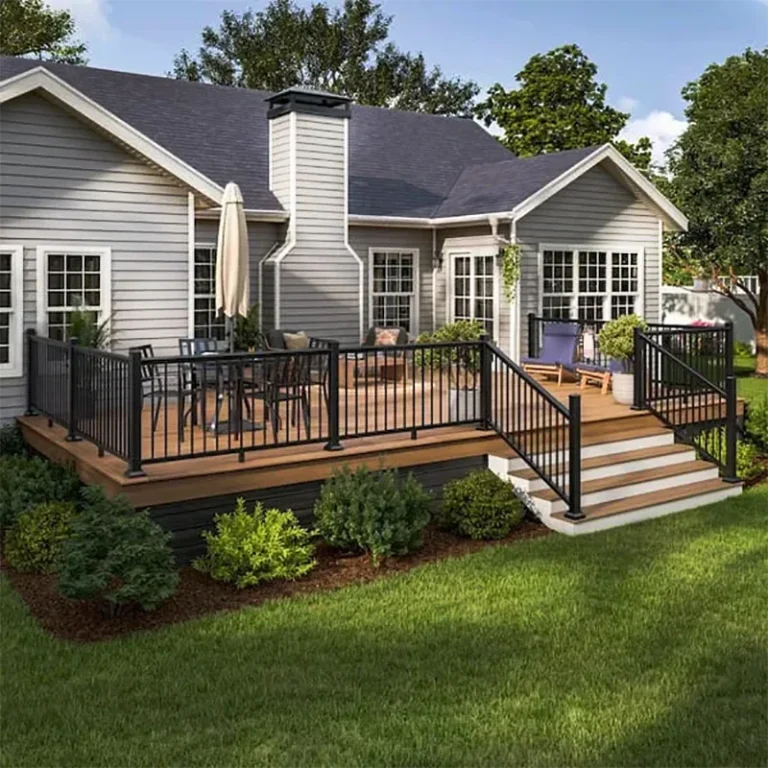
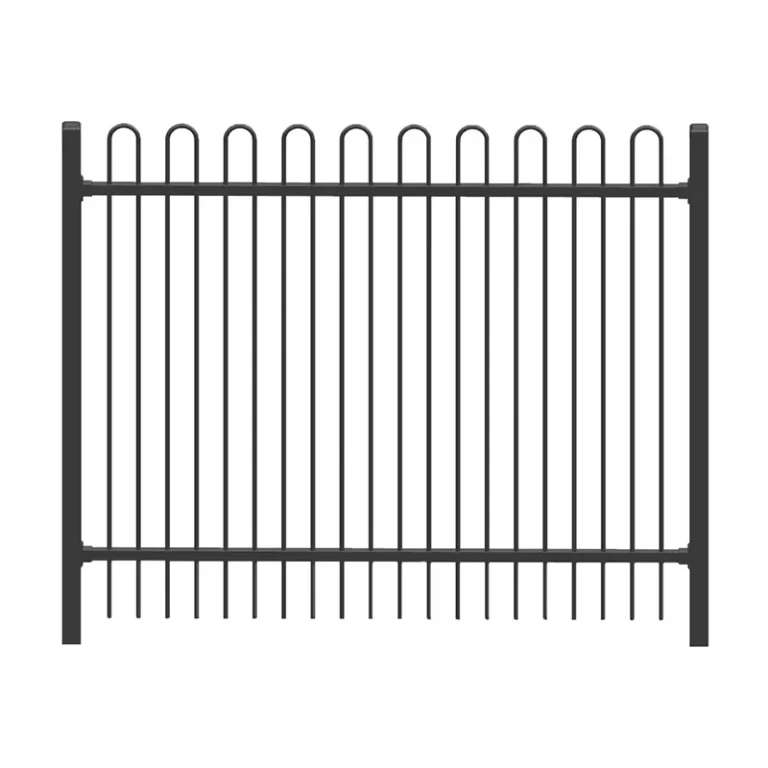
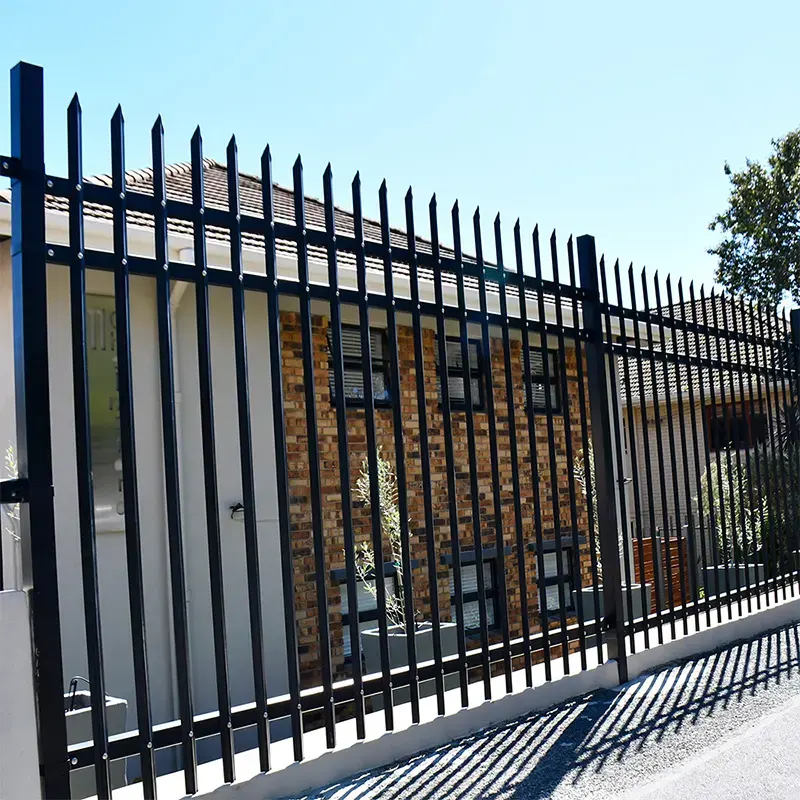
In contrast, permanent fencing is intended to remain in place for an extended period. It is commonly used around residential properties, commercial buildings, farms, and any location where a long-lasting barrier is necessary.
Constructed from robust materials such as metal, wood, or vinyl, permanent fences are designed for durability, offering both high security and aesthetic appeal.
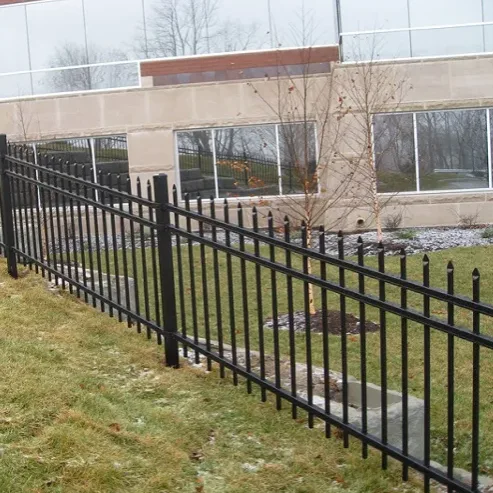
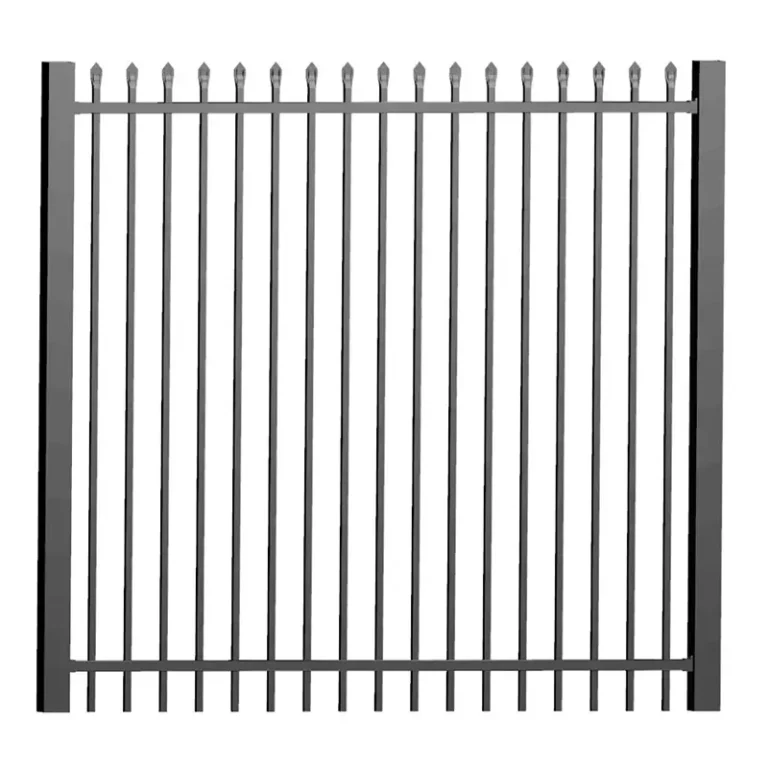
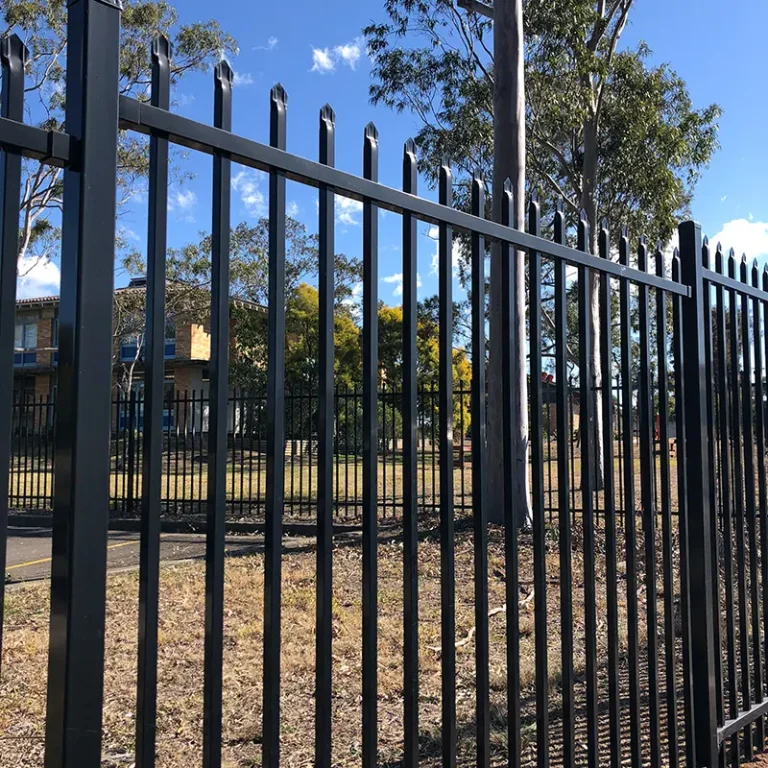
The installation process for permanent fencing is more labor-intensive and time-consuming than that of temporary fencing. It typically involves digging post holes, securing posts in concrete, and attaching fence panels to these posts. For example, our commercial spear top fence needs to be fixed to the ground by using posts and other components, and it is difficult to move. It is extremely sturdy. However, once installed, permanent fences require minimal maintenance and are capable of withstanding harsh weather conditions.