Home > Blog > What Materials Are Used For Temporary Fences?
What Materials Are Used For Temporary Fences?
Fence Depot
If you’ve ever driven past a construction site, walked through a weekend music festival, or started a full backyard renovation, you’ve definitely encountered temporary fencing. It’s the unsung hero of site safety, crowd control, and boundary marking. But what temporary fence materials are used to create these barriers?
Different materials bring totally different perks: from ultra-portable lightweight designs to heavy-duty security that can stand up to months of bad weather. Picking the right material makes all the difference for your project, so let’s break down the most common options on the market today.
A temporary fence is a structure that is used to create a temporary barrier or enclosure for various purposes. It is designed to be easily installed, moved, and removed as needed. Temporary fences are commonly used in construction sites, events, crowd control, security, and other situations where a temporary boundary or enclosure is required.
1. Chain Link Temporary Fences:
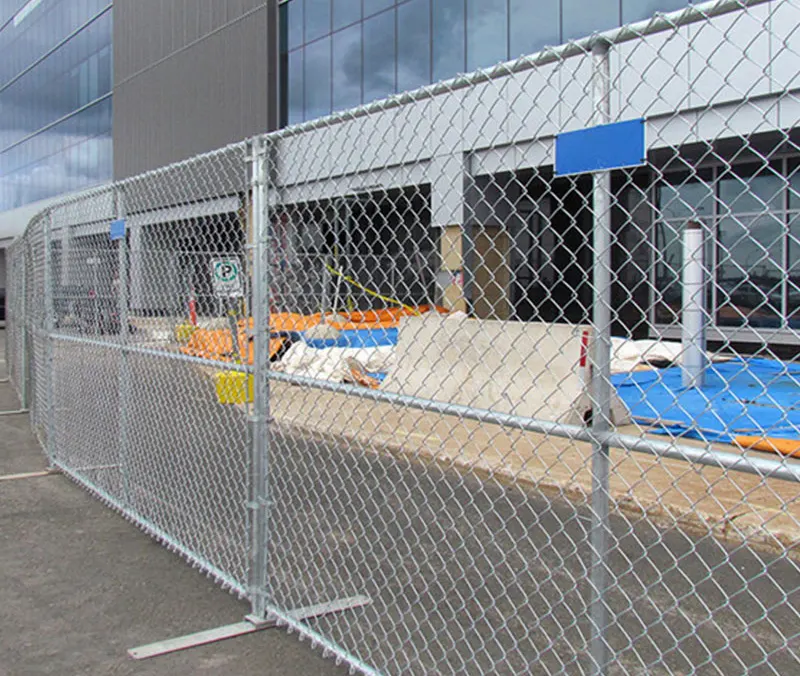
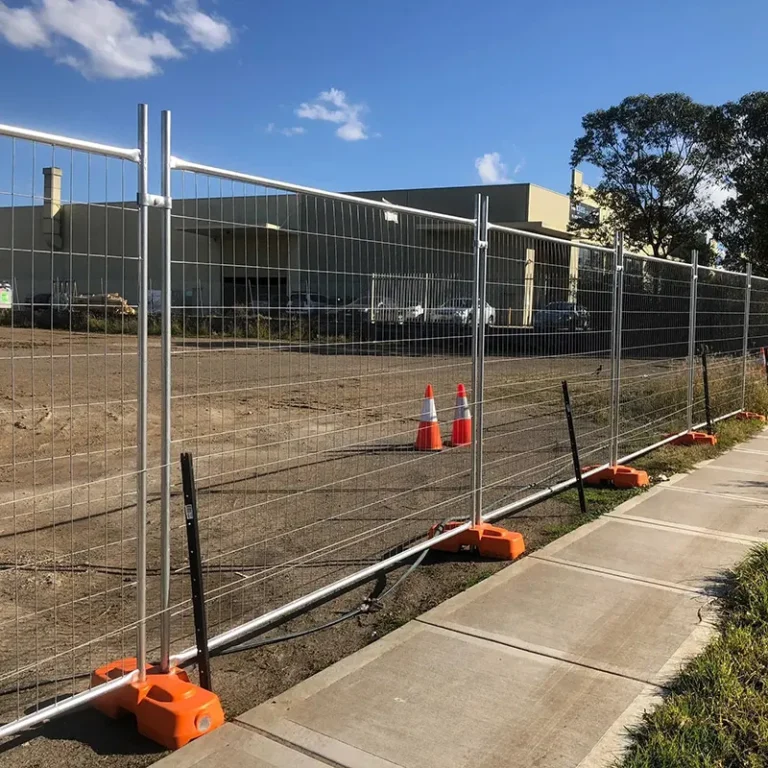
The chain link temporary fence is made of galvanized steel wire to form a standard mesh structure, which is then fixed to the supporting steel columns. The common specifications are: mesh size 50mm×50mm, wire diameter 2-4mm. The common heights are 1.2m/1.8m/2m. The weight of each sheet is approximately 8-15kg. The overall features are durability, sturdiness and high cost-effectiveness.
Advantages: Installation and disassembly only require simple snap fastening. One worker can complete the construction of 100 meters in half a day. It is suitable for temporary use. The mesh structure inherently has good visibility and ventilation. Qualified galvanized link fence can withstand 10-level strong wind without deformation, and the repeat service life can reach 5-8 years. It can also be equipped with privacy panels or wind shields according to needs, and the privacy coverage rate can be increased from the original less than 30% to over 90%.
Disadvantages: The appearance and privacy of the bare net are inferior to the physical fence. The weight is 3-5 times that of the plastic temporary fence, and the volume is also larger. A standard 4.2-meter truck can only transport 80-120 pieces at a time, and the transportation cost is relatively high.
Application scope: Widely used in scenarios with high requirements for safety and visibility, such as boundary isolation of construction sites, diversion of outdoor activities, and temporary enclosure of sports fields.
2. Plastic Temporary Fences:
The plastic temporary fences are generally made of HDPE high-density polyethylene with added UV-resistant additives. They adopt a design of spliced panels + columns. The common heights are 1m/1.2m/1.5m. Each panel weighs only 2-5kg. The main feature is their lightness and ease of turnover.
Advantages: Light weight, easy to handle, installation requires no complex tools. The assembly and disassembly speed is much faster than that of metal fences. Qualified products have an aging rate of less than 10% after outdoor exposure for 3 years, with strong weather resistance. They almost do not require maintenance. Customized warning colors such as blue-white, yellow-red, or activity promotional patterns can be provided. All edges are rounded and smoothed, without sharp protrusions, making them more friendly to pedestrians.
Disadvantages: The structural strength is much lower than that of metal materials. They can only withstand 6-7 level winds. Winds above 8 levels are likely to cause collapse and deformation. The impact resistance is only 1/10 of that of metal fences. They cannot withstand heavy impacts and are only suitable for scenarios with low safety requirements.
Application scope: They are commonly used in temporary diversion during road construction, temporary crowd control, entrance isolation at festival events, etc., where lightweight and mobile barriers are needed.
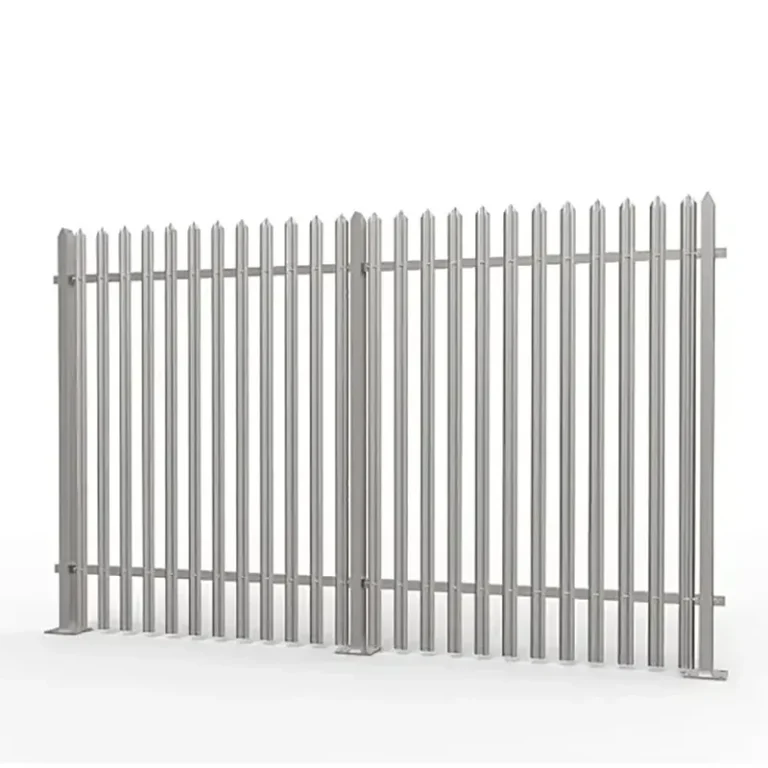
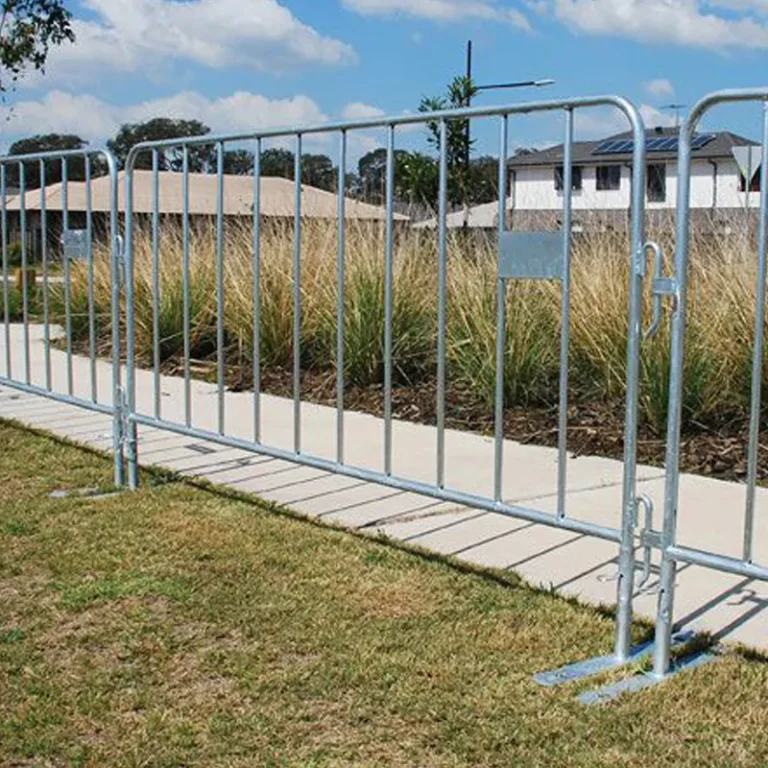
3. Metal Temporary Panels:
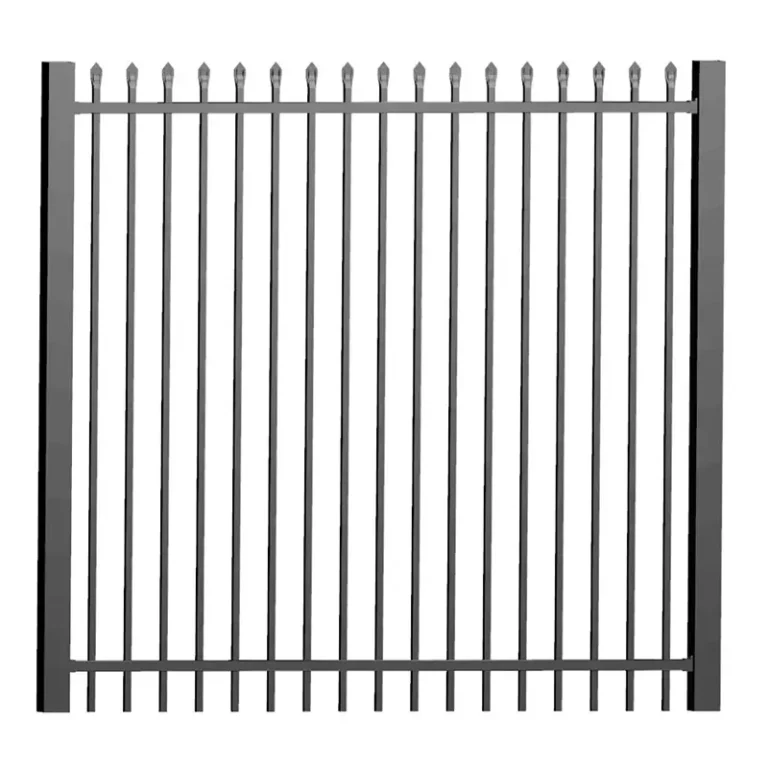
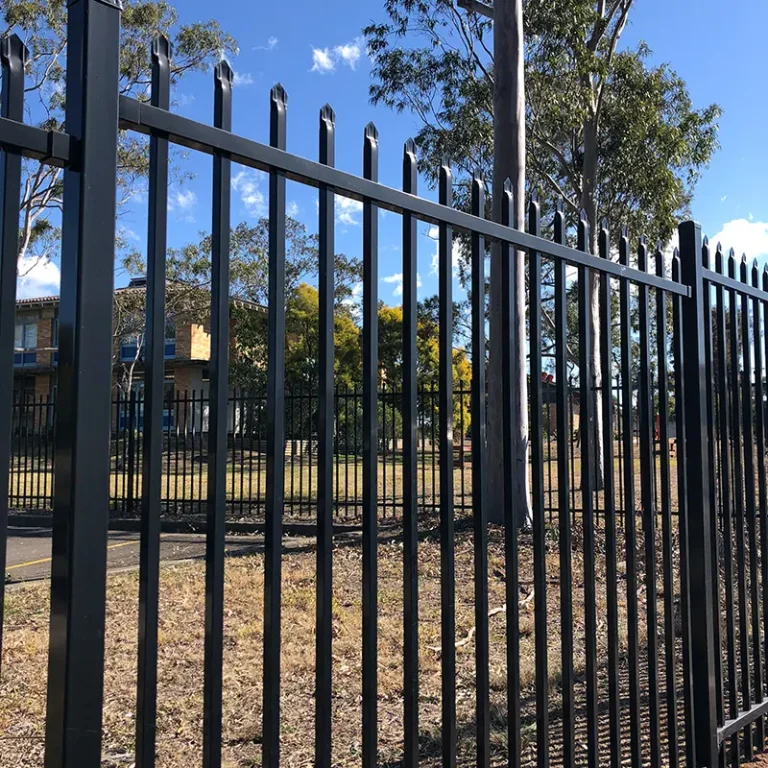
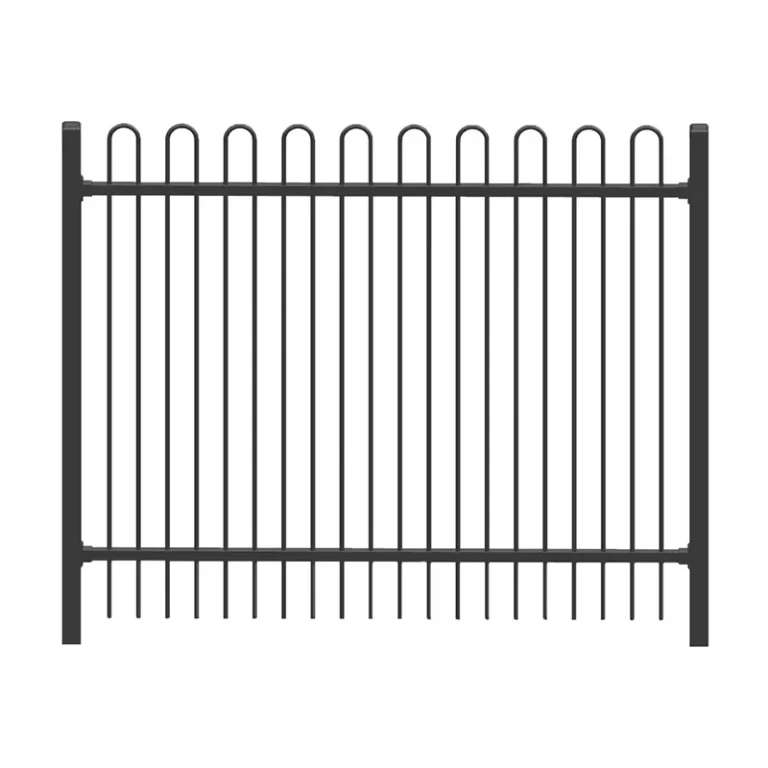
Metal panel temporary fences are constructed using steel or aluminum panels that are connected to posts. They are known for their strength, sturdiness, and high level of security.
Advantages: The security performance, durability, and impact resistance are significantly higher than those of other types. It can withstand a 50kg object hitting at a 1-meter distance without deforming. It is highly resistant to being overpowered and damaged. The modular snap-in design makes installation and disassembly convenient. It can be flexibly assembled into any shape and can be freely equipped with access gates, warning strips, advertising fabric, etc., offering strong functional scalability. The repeat service life can reach over 10 years, with a high turnover rate.
Disadvantages: The weight and volume are much larger than those of other types. A standard 4.2-meter truck can only transport 50-70 pieces at a time. The transportation and manual installation costs are 30%-50% higher than those of mesh fences. When fixing the base, simple tools such as wrenches are often required. In some scenarios, expansion nails need to be driven for reinforcement.
Application scope: Widely used in construction site fences, temporary isolation in industrial areas, security for the core area of large events, public space control, and any scenarios requiring high safety and durability.
4. Mesh Temporary Fences:
The mesh temporary fenceis made of galvanized steel wire woven or welded, and is fixed to simple posts or frames. The common height is 1m/1.5m, and the entire roll length can be customized. It is lightweight and flexible, making it easy to quickly set up and dismantle.
Advantages: Installation only requires straightening and fixing the posts, with extremely low cost, being more than 50% cheaper than metal plate temporary fences; It can be directly rolled up for storage, occupying only 1/20 of the space of the same length metal fence, and is very convenient for transportation and storage. At the same time, it has good visual transparency and ventilation, and will not block the surrounding view.
Disadvantages: Both safety and privacy are weaker than physical barriers. The tear resistance strength is only 1/5 of that of metal link netting. It is prone to damage, and the privacy obstruction rate is only 20%-40%. The general service life is 5-10 years, and it is not suitable for scenarios with high requirements for safety and aesthetics.
Application scope: It is commonly used for short-term construction site fences, crowd management during events, peripheral isolation for sports events, division of small festival venues, etc., in scenarios that require lightweight and easily movable isolation facilities.
Conclusion
When choosing the appropriate temporary fence materials, it is essential to fully consider the specific requirements of the project. Factors such as safety requirements, aesthetic preferences, and environmental conditions will all influence your decision. As a leading manufacturer of metal fences, Fence Depot offers high-quality and affordable fence products suitable for various application scenarios. The product design takes into account safety, durability, and aesthetics, making them a reliable choice for customers in need of temporary fence solutions.
Whether you choose the robustness of chain fences, the lightness of plastic nets, or the durability of galvanized steel materials, temporary fences can effectively fulfill their functions and provide safety guarantees. By understanding the available materials, you can make the most informed choice to meet the specific requirements of temporary fences.